

Automation is rapidly transforming businesses, and to stay ahead, attending automation trade shows is crucial for manufacturers. These events are hubs for industry leaders, technology providers, and potential customers, offering a unique environment to explore the latest advancements in Robotic Process Automation (RPA) and manufacturing automation. This guide provides comprehensive tips for attending these shows, from pre-show preparation to post-show follow-up, getting more from your experience, and handling the automation quote process. We’ll cover everything from trade show tips to automation vendor selection, including how to effectively compare automation quotes and choose an integrator.
We’ll also look into the complexities of obtaining quotes for manufacturing automation solutions, outlining the key factors that influence pricing and providing strategies for evaluating quotes effectively. Whether you’re looking for a simple RPA solution or a complex automated assembly line, understanding the quote process is essential.
So, are you ready to get more from your next automation trade show and confidently manage the quote process?
Making the Most of Automation Trade Shows
Attending an automation trade show can feel like stepping into a whirlwind of innovation. It’s exciting, yes, but also potentially overwhelming, especially if you’re new to the world of automation, or even if you’re a seasoned pro trying to keep up with the breakneck pace of change.
However, with the right preparation, you can transform this whirlwind into a powerful force for your business.
Pre-Show Preparation and Laying the Foundation for a Winning Strategy
Before you even set foot in the convention center, your pre-show prep is crucial. Think of it as laying the foundation for a skyscraper – without it, everything else crumbles. This isn’t just about grabbing a hotel reservation (though that’s important too!). It’s about strategically planning your attack.
- Define Your Objectives: This is the most critical step. What do you want to achieve at the show? Are you looking for specific technologies like collaborative robots or industrial robots for your manufacturing line? Are you looking to choose an integrator for a complex automation project? Or are you simply trying to get a pulse on the latest industry trends? Clearly defined objectives are key, guiding you through the exhibits and sessions.
- Document Your Automation Needs: To make the most of your trade show visit, come prepared with detailed information about what you want to automate. This might include:
- Key metrics about your current process (e.g., production rates, defect rates, downtime).
- Pictures or videos of your existing production line.
- If possible, physical parts or CAD drawings to illustrate your needs.
Having this information readily available will help you have more productive conversations with automation integrators and vendors.
- Research the Event and Exhibitors: Don’t just show up and wander aimlessly! The trade show website is your goldmine. Read the exhibitor list, scrutinize the floor plan, and identify the companies and products that align with your objectives. Create a “must-see” list. Are you in the food and beverage industry? Prioritize exhibitors showcasing packaging and palletizing solutions. This targeted approach saves you precious time and energy.
- Research the Event Clientele: Knowing who else will be there – your potential clients, competitors, automation integrators, and industry peers – allows you to tailor your approach and communication strategies. Are there specific companies you’d love to connect with? Knowing their attendance can help you prioritize your networking efforts.
Get Started with DEVELOP
Heading to ProMat, Automate, or MD&M Minneapolis? Meet DEVELOP! Let’s talk automation. Schedule a meeting at our booth and bring your project details for a potential on-site budgetary quote. First, get a head start with our Automation Assessment Questionnaire today!
- Schedule Appointments: Don’t leave meetings to chance. Reach out to key vendors and automation integrators before the show and schedule dedicated meeting times. This guarantees you’ll have their undivided attention and allows for more in-depth discussions about your specific needs and potentially even start the automation quote process.
- Schedule Additional Sales Calls: Trade shows are busy. If key contacts have limited availability during the event, consider scheduling sales calls before or after the show. This expands your networking window and ensures you have ample time to discuss your needs.
- Use Social Media: LinkedIn, X, and other platforms are your secret weapons. Connect with attendees and exhibitors before the show. Expand your network but also give yourself a sneak peek into what they’ll be showcasing.
- Know the Venue: Exploring a massive convention center can be a challenge. Familiarize yourself with the layout, including the location of restrooms, restaurants, and transportation hubs. You’ll prevent wasted time getting lost and ensure you’re always where you need to be.
- Pack Accordingly: Comfort is key! Wear comfortable shoes (you’ll be doing a lot of walking!) and bring a notebook and pens for jotting down notes. Consider using a secondary email account for badge scanning to avoid a deluge of emails in your primary inbox.
- Bring Enough Business Cards: Business cards are your currency at a trade show. Don’t underestimate the power of a face-to-face connection. Running out of cards is a missed opportunity.
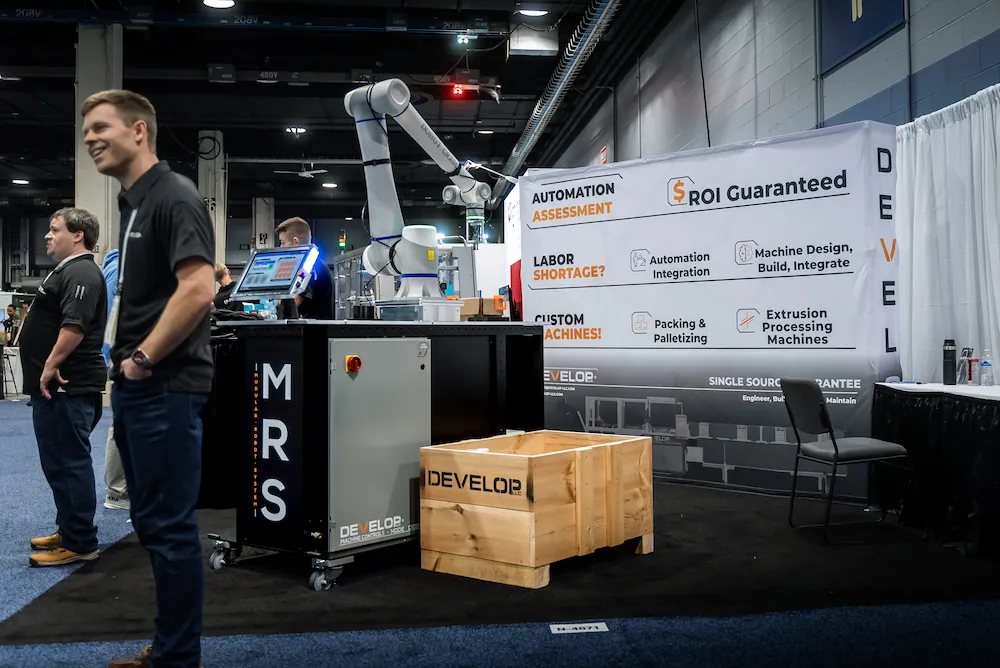
Engaging and Gathering Information – Making the Most of the Moment
The show itself is where the magic happens. But it’s easy to get swept up in the excitement and lose focus. Here’s how to stay on track and maximize your time:
- Arrive Early: Beat the crowds and get a head start. Arriving early allows you to explore the exhibition hall at your own pace and have more meaningful conversations with exhibitors before they get swamped.
- Engage with Exhibitors: Don’t be shy! At DEVELOP, we believe in proactive engagement. We’ll be asking questions like, “What do you manufacture?” “What are your automation goals?” and “How do you envision automation transforming your business?” This direct approach helps us quickly understand your needs and spark meaningful conversations. We’re known for our high energy and enthusiasm, so be prepared for a dynamic and engaging experience at our booth! Ask questions, participate in demonstrations, and gather information about the products and services that interest you.
- Prepare a Concise Pitch: Have a clear and concise “elevator pitch” ready to introduce yourself and your company. You want to quickly communicate your interests and needs.
- Ask Relevant Questions: Prepare a list of key questions before the show. This demonstrates your knowledge and helps you gather the most relevant information. Don’t be afraid to ask about specific features, pricing models, and automation integrator partnerships. This is where you start to compare automation quotes (even if informally).
Attending Educational Sessions for Sharpening Your Automation Acumen
Trade shows aren’t just about flashy demos and free swag. They’re also a goldmine of knowledge. Take advantage of any educational sessions, workshops, and presentations offered. These are your opportunities to head deeper into industry trends, learn best practices, and get a glimpse into the future of automation.
- Attend Sessions and Workshops: These sessions provide invaluable insights. Want to understand the latest advancements in AI-powered robotics? Looking for tips on choosing an integrator for your next automation project? These sessions are where you’ll find the answers.
- Attend Tech Sessions: Don’t just scratch the surface. Technical sessions offer a deep dive into specific products and technologies. This is your chance to understand the nuances, explore the capabilities, and ask the tough questions. How does this technology compare to the competition? What are the integration challenges? These sessions will arm you with the knowledge you need to make informed decisions.
Networking Opportunities
Trade shows are the place to connect with other professionals in your industry. Think of it as a massive think tank, buzzing with ideas and potential collaborations. Networking isn’t just about collecting business cards (though that’s part of it!). It’s about building relationships that can propel your automation initiatives forward.
- Network with Peers: Engage in conversations, exchange ideas, and build relationships that extend beyond the event. You never know where a casual conversation might lead. Maybe you’ll find a partner for your next project, or maybe you’ll just gain a fresh perspective on a challenge you’re facing.
- Engage with Other Trade Professionals: Don’t just focus on exhibitors. Talk to other attendees! These conversations can be incredibly valuable, offering diverse perspectives and insights. You might even discover a hidden gem – a smaller company with a groundbreaking solution you wouldn’t have otherwise found.
- Notes are Critical: Information overload is a real thing at trade shows. Jot down key takeaways, interesting product features, and contact information. Your future self will thank you. Trust us, you won’t remember everything! And don’t just take notes – review them after the show. Solidify what you learned and ensure you don’t miss any opportunities.
Post-Show Follow-Up
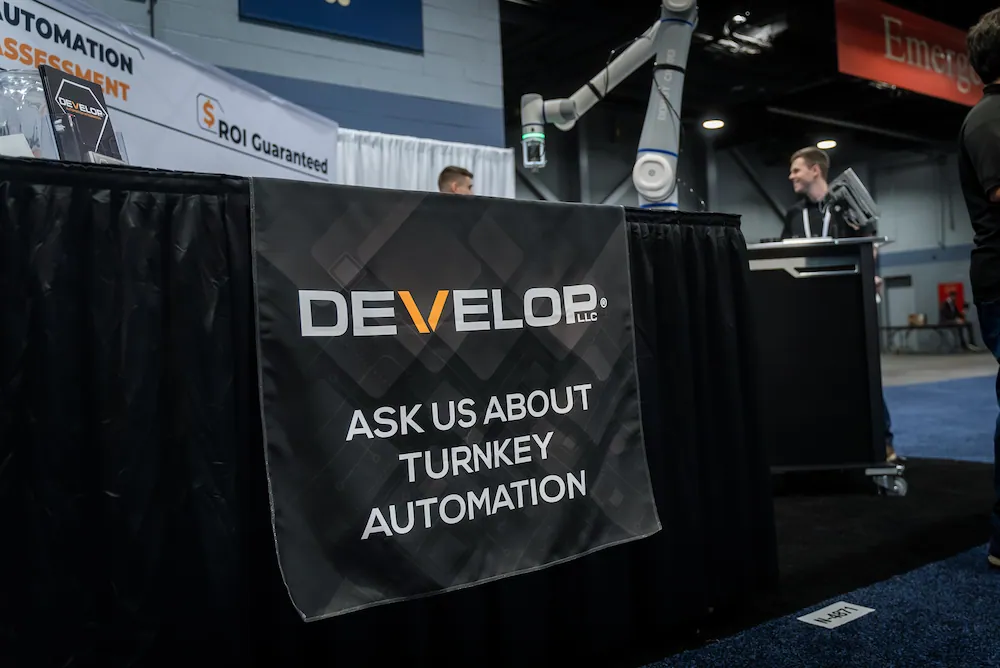
The trade show may be over, but your work isn’t done. In fact, the post-show follow-up is arguably the most crucial part of the entire process. This is where you turn the connections you made and the information you gathered into tangible results. It’s time to transform those fleeting interactions into lasting business relationships and concrete action plans.
- Review and Organize: You’ve got a mountain of notes, brochures, and business cards. Now’s the time to sift through it all. Review your notes while they’re still fresh in your mind. Categorize your leads – hot, warm, and lukewarm – and prioritize your follow-up actions. Who needs a phone call right away? Who can wait a few days? A well-organized approach is key to maximizing your post-show efforts.
- Be Proactive: Our most successful customer relationships and projects have stemmed from those who follow up quickly after a trade show. Exhibitors are busy sifting through hundreds of leads, so proactive follow-up within days of the event (or even the night of!) can make a big difference. It demonstrates your genuine interest and helps you stand out from the crowd.
- Send Thank-You Notes: A personalized thank-you note goes a long way. It shows exhibitors that you genuinely appreciated their time and expertise. This small gesture can significantly strengthen your connection and keep you top of mind. Don’t just send a generic email. Personalize each note by mentioning something specific you discussed.
- Schedule Follow-Up Meetings: Strike while the iron is hot! Schedule follow-up meetings with potential vendors and automation integrators as soon as possible. This allows you to get deeper into your specific needs, explore potential solutions in more detail, and discuss automation quotes. Be prepared to discuss your project requirements, budget, and timeline.
- Share Your Insights: Don’t keep all that valuable information to yourself! Share your key takeaways and insights from the trade show with your team or colleagues. It helps to disseminate knowledge throughout your organization and fosters collaboration. Maybe someone else on your team can benefit from a connection you made or a technology you learned about.
Understanding the Automation Quote Process
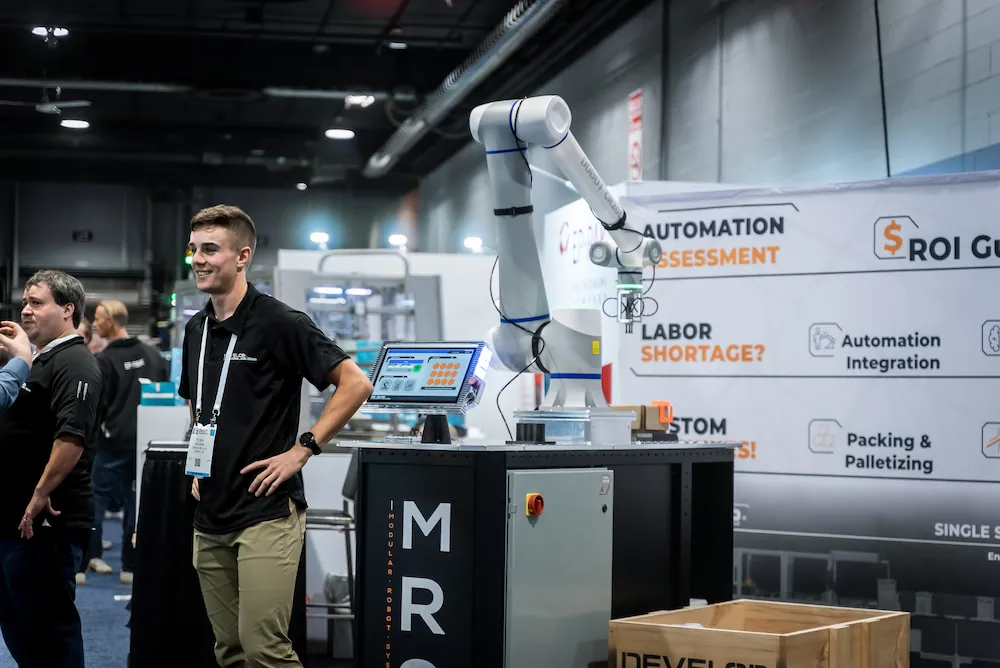
Trade shows provide a valuable platform for exploring automation solutions and connecting with potential vendors. Once you’ve identified potential solutions, the next step is to understand the quote process. Both RPA and manufacturing automation solutions involve unique considerations that influence pricing.
Evaluating Automation Quotes
Before we look into the specifics of manufacturing automation pricing, let’s talk about evaluating automation quotes effectively. It’s not just about the sticker price.
Remember, not all quotes are created equal. If your supplier is unwilling to explain the cost of materials and engineering hours from a budgetary standpoint, they might not have a clear understanding of the project scope, or they could be hiding something. If you receive two quotes that are drastically different, question them thoroughly. We’ve seen instances where bids vary by more than 30%, often indicating a math error, risk of change orders, or you have an integrator that is not correctly scoping the associated risks of your project.
A low initial cost can quickly balloon into a nightmare of hidden fees and unexpected expenses. A truly insightful evaluation considers a multitude of factors beyond the initial price tag.
- Total Cost of Ownership (TCO): Think long-term. What’s the total cost of owning and operating this automation solution? Include everything: initial investment, implementation costs (which can be significant!), ongoing maintenance, support, training, and potential upgrades. A seemingly cheaper solution might actually be more expensive in the long run.
- Return on Investment (ROI): Numbers don’t lie. Assess the potential ROI of the automation solution. Consider factors like increased productivity, reduced labor costs, improved quality, and decreased error rates. Quantify the benefits whenever possible.
- Understand Needs Completely: This cannot be overstated. Before requesting or evaluating a quote, have a crystal-clear understanding of your specific needs and requirements. What’s the scope of the automation? What functionalities are essential? Are any integrations or customizations required? The more detail you provide, the more accurate and relevant the quote will be.
- Streamline the Approval Process: Internal delays can kill a deal. Establish an efficient internal approval process for quotes. This might involve defining clear approval hierarchies and setting deadlines. A streamlined process ensures timely decision-making and prevents you from missing out on opportunities.
- Vendor Experience and Expertise: You’re not just buying a product, you’re entering a partnership. Choosing an integrator or vendor with a proven track record and expertise in your industry is essential. Look for vendors who understand your specific challenges and can offer tailored solutions.
- Support and Service Level Agreements (SLAs): What happens when something goes wrong? Clarify the vendor’s support services and SLAs. Understand the scope of support, response times, escalation procedures, and any associated costs. A robust support system can be a lifesaver when you encounter unexpected issues.
- References and Case Studies: Don’t just take the vendor’s word for it. Request references and automation case studies. These provide real-world examples of how the vendor has helped other businesses. Reading up on past clients and projects can give you valuable insights into the vendor’s capabilities, their communication style, and their problem-solving skills.
- Accurate Data: Accurate quotes rely on accurate data. Ensure the data used for quoting is up-to-date and reliable. This includes information on material costs, labor rates, production times, and any other relevant factors. In manufacturing automation, machine data can provide real-time insights for more accurate quoting.
Factors Affecting RPA Quote Pricing
Manufacturing automation projects involve a complex interplay of hardware, software, engineering, and integration. Understanding the factors that influence pricing is crucial for evaluating quotes and making informed investment decisions. These factors go far beyond just the cost of the robots themselves.
| Factor | Description |
|---|---|
| Type of Automation | The specific type of automation being implemented dramatically impacts pricing. A simple pick-and-place robot will cost significantly less than a complex, multi-axis robotic arm designed for intricate assembly tasks. Consider whether you’re looking for basic automation, advanced robotics, or a fully integrated smart factory solution. |
| Equipment and Materials | This includes the cost of robots, PLCs, sensors, vision systems, conveyors, safety guarding, and other hardware components. The quality and sophistication of these components will directly affect the overall cost. Don’t forget specialized tooling or end-effectors required for specific tasks. |
| Engineering and Design | The complexity of the automation system design and the engineering effort required for integration are major cost drivers. This includes system design, programming, simulation, testing, and integration with existing equipment. A well-designed system will optimize performance and minimize downtime, but the upfront engineering costs can be substantial. |
| Installation and Commissioning | The cost of installing and commissioning the automation system at your facility is a significant factor. The quote price should include site preparation, equipment installation, testing, and training. Complex installations may require specialized expertise and can take considerable time, impacting the overall project timeline and cost. |
| Customization | Off-the-shelf solutions are often less expensive, but may not perfectly fit your needs. Customization, whether it’s adapting a robot for a specific task or integrating it with existing machinery, adds to the engineering effort and cost. Consider the trade-off between cost savings and achieving your exact requirements. |
| Scalability and Future-Proofing | Consider the long-term. Is the automation system scalable to accommodate future growth? Is it designed to be flexible enough to adapt to changing product lines or manufacturing processes? Investing in a scalable and future-proof solution may cost more upfront, but it can save you money in the long run by avoiding costly upgrades or replacements. |
Benefits of RPA and Manufacturing Automation Across Industries
Robotics and manufacturing automation are the driving force behind modern industry. These technologies offer an array of benefits across diverse sectors, making them must-see solutions at automation trade shows. But how can your business harness this power? Let’s explore some examples.
- Architectural Extrusion: Imagine perfectly formed window and door profiles, extruded with unwavering precision and flawless surface finishes. Automation makes consistent architectural extrusion a reality. Robots can handle precision cutting and shaping, ensuring seamless on-site assembly. This translates to higher quality products, reduced waste, and faster project completion.
- Cosmetics & Personal Care: Cosmetics manufacturing demands precision and speed. Automation delivers both. From ingredient handling and formulation to filling, packaging, and labeling, automated systems boost throughput and ensure consistent quality. High-speed packaging solutions enable manufacturers to meet ever-growing consumer demand. Is your production line ready for a makeover?
- Electrical Extrusion: The electrical manufacturing sector is undergoing a revolution. Automation is driving increased electrical extrusion productivity, improved quality, and optimized supply chains. Imagine seamless integration, reduced errors, and faster time to market.
- Electronics: In the world of electronics manufacturing, automation is key to staying competitive. It offers better product quality, fuels innovation, reduces costs, and boosts productivity. It also enables customization, allowing manufacturers to cater to diverse customer needs.
- Food & Beverage: Food and beverage production faces unique challenges. Automation addresses them head-on. It enhances worker safety, improves quality control, provides end-to-end traceability, increases efficiency, boosts output, and reduces food waste.
- Life Sciences: Precision, accuracy, and efficiency are critical in life sciences. Automation delivers on all fronts, pushing throughput to new heights. From drug packaging to medical device manufacturing, automated systems are transforming the industry.
- Paper and Printing: The printing industry has embraced automation to enhance efficiency. High-speed, precision automated machines shorten production times and reduce costs. From printing presses to finishing equipment, automation is streamlining the entire process.
These examples are just a glimpse of the transformative power of robotics and manufacturing automation. By attending automation trade shows and engaging with automation vendors and integrators, you can gain a deeper understanding of how these technologies can benefit your specific business needs and get the insights needed for comparing automation quotes and choosing an integrator who fits your needs. Don’t get left behind – the future of manufacturing is automated.
From Trade Show to Transformation. Discover Your Automation Potential
Are you feeling overwhelmed by the sheer complexity of choosing an integrator and implementing the right automation solution? Do you dream of streamlined processes, increased efficiency, and a significant boost to your bottom line? Are you ready to stop just comparing automation quotes and start seeing real ROI?
Imagine having access to personalized tools and resources that can help you pinpoint your automation needs, calculate your potential ROI, and connect with the perfect automation integrators. Stop guessing and start knowing. We’re offering a range of free resources designed to accelerate your automation success:
- Calculate your potential savings: Our free ROI calculator will help you quantify the impact of automation on your bottom line. See the numbers, feel the power.
- Expert insights: Download our free eBook, Automate to Elevate: Your Automation Assessment Guide, and get a deeper understanding of automation best practices.
- Get personalized guidance: Book a free consultation with one of our automation experts. Let’s talk strategy.
- Assess your automation possibilities: Take our free Automation Assessment Questionnaire, discover your next steps, and know where you stand.
Don’t wait any longer to discover the potential of automation. Claim your free resources today and take the first step toward a more efficient, productive, and profitable business!
Or simply book a call right now, and let’s take the first step into the future of your brand growth.