

The allure of automation in manufacturing is undeniable. Increased productivity, reduced errors, and enhanced efficiency are just a few of the benefits that make it a strategic imperative. However, starting a successful automation journey requires meticulous planning and a realistic understanding of the time involved. This guide is going to look into the various stages of an automation project, the factors influencing timelines, and best practices for managing them effectively.

We believe in transparency and collaboration throughout the automation journey. This video provides a comprehensive overview of our process, so you can see exactly how we work and what you can expect when you partner with DEVELOP.
A Quick Guide to Estimating Your Automation Timeline
Before getting into the details of each stage, it’s helpful to have a general idea of the time investment required for a typical factory automation project. Here’s a table summarizing the estimated durations for each stage, based on DEVELOP’s experience and industry best practices.
| Stage | Estimated Time |
| Assessment and Planning | 8-12 weeks |
| Design and Engineering | 8-24 weeks |
| Choosing the Right Automation Technology | Variable (could range from a few weeks to several months, depending on the complexity of the technology and the decision-making process) |
| Procurement and Installation | 4-12 weeks |
| Commissioning and Testing | 6-24 weeks |
| Training and Optimization | 4-8 weeks |
Every automation project, regardless of its size or complexity, typically follows a similar lifecycle with distinct stages. Understanding these stages is crucial for accurate estimation of the overall automation timeline and ensuring a smooth implementation process.
1. Assessment and Planning (8-12 weeks)
This initial stage involves a complete evaluation of existing processes, identifying automation opportunities, and defining the project timeline and objectives. It’s crucial to involve all key stakeholders in this phase, including management, engineers, operators, and IT personnel, to ensure a shared understanding of the project goals and potential challenges. A collaborative approach helps identify potential roadblocks early on and builds a sense of ownership among team members. Key activities in this stage include:
- Needs Assessment: Analyze current manufacturing processes to pinpoint bottlenecks, inefficiencies, and areas where automation can bring the most significant improvements. This may involve conducting time studies, analyzing production data, and observing current workflows.
- Feasibility Study: Evaluate the technical and economic feasibility of automating specific processes, considering factors like cost, return on investment (ROI), and available technologies. A feasibility study could involve conducting simulations, analyzing potential risks, and comparing different automation solutions.
- Requirement Gathering: Clearly define project requirements, including automation goals, desired outcomes, performance metrics, and integration needs. That means gathering input from various stakeholders, documenting specific needs, and creating a detailed requirements document.
- Scope Definition: Establish clear project boundaries, outlining what will and will not be included in the automation project to prevent scope creep and manage expectations. Define specific deliverables, set clear limitations, and document any exclusions.
- Documentation and Administrative Overhead: Allocate time for documentation and administrative tasks, which are crucial for maintaining project organization and ensuring smooth communication. That includes creating project plans, documenting processes, and managing communication channels. The less repetitive the project, the more time documentation will take.
Key Insight: Clearly defining requirements and involving all stakeholders in the assessment phase can significantly reduce integration challenges and ensure alignment throughout the automation project management lifecycle.
2. Design and Engineering (8-24 weeks)

This stage focuses on developing the technical specifications and detailed design of the automation solution. It requires close collaboration between automation engineers and other technical experts to ensure a reliable and efficient system. Key activities include:
- Vendor Selection: Identify and select vendors for automation equipment and other necessary components based on factors like cost, quality, lead times, and support capabilities. This may involve requesting quotes, evaluating different vendors, and negotiating contracts.
- Concept Development (4-6 weeks): Brainstorm ideas, conduct initial design meetings, and explore different concepts to address the automation requirements. This phase often requires multiple iterations and design reviews to ensure the chosen concept aligns with project objectives and feasibility constraints.
- Detailed Design (8-18 weeks): Develop detailed technical specifications for the automation system, including equipment selection, end-of-arm-tooling design, sensor integration, and safety mechanisms. This may involve creating 3D models, conducting simulations, and refining design details. The complexity of the design and the level of customization required can significantly influence the duration of this phase.
Key Insight: The design and engineering phase is where the automation project stages begin to take shape. Accurate and detailed design is crucial for preventing costly rework and delays during later stages.
3. Choosing the Right Automation Technology (Variable)
Choosing the appropriate automation technology is a critical step that significantly influences the project timeline and overall success. Factors to consider include the complexity of the manufacturing process, the level of precision required, the desired level of flexibility, and the integration with existing systems.
Choosing the best and most suitable technology requires careful consideration of factors such as cost, reliability, scalability, and the level of expertise required for implementation and maintenance.
Key Insight: Choosing the right automation technology early on is crucial as it can impact procurement, installation, and even training. It’s essential to select a technology that aligns with the project’s specific needs and long-term goals.
4. Procurement and Assembly(12-24 weeks)
This stage involves procuring the necessary components and assembling the machine at DEVELOP’s facility. Effective procurement and assembly require careful planning, coordination with vendors, and adherence to safety guidelines. Key steps include:
- Procurement: Order and acquire the selected components, ensuring timely delivery and managing any potential delays or supply chain disruptions. That means tracking orders, coordinating logistics, and managing inventory.
- Assembly: Assemble the designed machine at DEVELOP’s facility in preparation for software implementation and Factory Acceptance Testing (FAT). This includes installing components, ensuring proper connectivity, and verifying functionality.
- Key Insight: Lead times for equipment can vary significantly, so it’s crucial to factor this into your automation implementation time estimates.
Key Insight: Lead times for equipment can vary significantly, so it’s crucial to factor this into your automation implementation time estimates.
5. Commissioning and Testing (6-24 weeks)
It’s at this stage that everything is starting to take shape, and commissioning and testing involves testing the integrated automation system to ensure it meets performance requirements and operates as expected. Thorough testing is crucial to identify and address any issues before full-scale production begins. Key activities include:
- Functional Testing: Test individual components and subsystems to ensure they function correctly and meet specifications.
- Integration Testing: Test the interaction and communication between different components and systems to ensure seamless operation.
- Factory Acceptance Testing (FAT) Testing: Evaluate the overall performance of the automation system under real-world conditions, using the customer’s actual parts, and measuring metrics like cycle time, throughput, and accuracy.
Key Insight: Thorough testing is essential for minimizing downtime and ensuring a smooth transition to full production.
6. Installation, Training, and Optimization (4-8 weeks)
This final stage focuses on installing the automation system at your facility and providing comprehensive training and optimization to ensure its long-term success. Key stages here include:
- Installation: We carefully pack and transport the automation system to your facility, where our team installs and integrates it into your existing production line. We ensure proper connectivity, configuration, and safety compliance.
- Operator Training: Provide training to operators on how to use, monitor, and troubleshoot the automation system.
- Maintenance Training: Train maintenance personnel on how to perform routine maintenance, identify potential issues, and repair or replace components.
- Process Optimization: Continuously monitor and analyze the performance of the automation system, identifying opportunities for improvement and fine-tuning processes to maximize efficiency.
Key Insight: Investing in comprehensive training and optimization can lead to long-term cost savings and increased ROI.
DEVELOP’s Machine Build Process and Collaboration
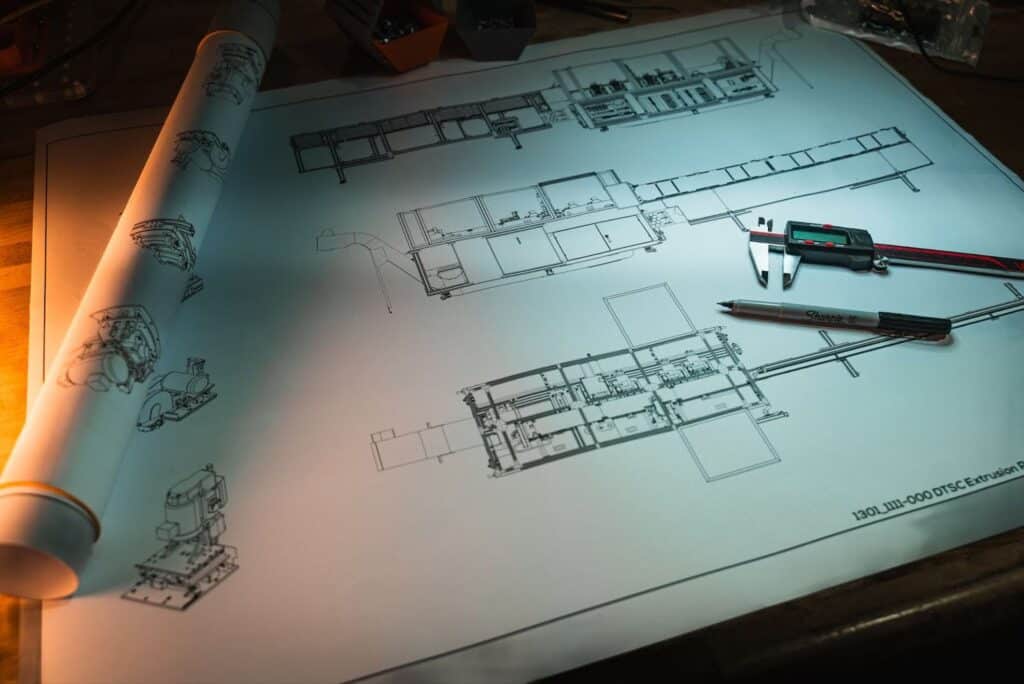
At DEVELOP LLC, we believe in a transparent and collaborative approach to building automated solutions. Our machine build process follows a structured “Design, Build, Integrate” framework, ensuring that every project is executed with precision and efficiency, while keeping you informed and involved every step of the way.
1. Design
First, we translate your automation needs into a tangible machine design. That involves close collaboration between our experienced engineers and your team to ensure the final design aligns perfectly with your requirements.
- Kickoff Meeting: We begin with a kickoff meeting to bring our software engineers, electrical engineers, and mechanical engineers together with your team. We ensure everyone is on the same page regarding project goals, functionalities, and potential challenges.
- Process Flow Diagram: Our engineers develop a detailed flow diagram that maps out every step of the machine’s operation, from initial input to final output. This diagram helps visualize the entire process and identify any potential bottlenecks or areas for optimization.
- Concurrent Engineering: Our software, electrical, and mechanical engineers work concurrently, ensuring easier integration of all components. Our collaborative approach minimizes design conflicts and accelerates the development process.
- CAD Design and Reviews: Using advanced CAD software, we create detailed 3D models of your machine. We conduct regular design reviews with your team to gather feedback and ensure the design meets your expectations and specific needs.
- Risk Assessment and Avoidance: Throughout the design phase, we proactively identify potential risks and adjust our approach to address them early on. This way, we ensure your project stays on track and avoids costly delays.
2. Build
Once the design is finalized, we move into the build phase, where our skilled technicians bring the machine to life.
- Procurement and Kitting: We procure all necessary components, ensuring quality and timely delivery. All parts are meticulously kitted and inventoried to guarantee a smooth and efficient assembly process.
- Module Assembly: We build individual modules of the machine, allowing for parallel workflows and faster assembly. A modular approach also simplifies testing and troubleshooting.
- Machine Assembly: The modules are then integrated onto the main frame, along with electrical cabinets, robotics, and other key components. Our technicians meticulously route cables and pneumatics, ensuring a clean and organized setup.
- Factory Acceptance Testing (FAT): Before delivery, we conduct rigorous FAT at our headquarters using your raw materials and products. We validate cycle times, quality standards, and overall performance, ensuring the machine meets your expectations. You and your team are invited to witness the FAT and provide feedback.
3. Integrate
The final stage involves integrating the machine into your production environment and ensuring that your team operates it effectively.
- Delivery and On-Site Integration: We carefully deliver and reassemble the machine at your facility, integrating it with your existing production line.
- Site Acceptance Testing (SAT): We perform SAT to ensure the machine functions optimally within your specific environment.
- Training and Knowledge Transfer: Our project managers and trainers work closely with your operators, maintenance personnel, and other relevant staff to provide comprehensive training on safe operation, maintenance protocols, and troubleshooting.
- Ongoing Support: Even after installation, we remain committed to your success. We offer ongoing support and assistance to ensure you maximize the benefits of your automation investment.
Throughout the entire “Design, Build, Integrate” process, we prioritize communication and collaboration. We keep you informed through regular updates, design reviews, and testing phases, ensuring your feedback is incorporated every step of the way. Our collaborative approach ensures a smooth and successful automation timeline, from initial concept to a fully operational solution.
Factors Influencing Automation Project Timelines

Various factors can influence the overall duration of an automation project:
- Project Complexity: The complexity of the manufacturing project being automated, the number of systems involved, and the level of integration required can significantly impact timelines.
- Integration Challenges: Integrating new automation systems with existing infrastructure and legacy systems can present challenges that may extend timelines.
- Regulatory Compliance: Compliance with industry-specific safety regulations and standards can add time to the project.
- Customization Needs: The level of customization required for the automation solution can influence timelines.
Best Practices for Managing Automation Timelines
Effectively managing automation project management requires careful planning, proactive risk awareness, and continuous monitoring:
- Clearly Define Scope and Objectives: Establish a clear and detailed project scope statement, outlining project goals, deliverables, and constraints.
- Develop a Realistic Timeline: Break down the project into smaller tasks and phases, estimate their durations, and create a realistic automation timeline with clear milestones and deadlines.
- Choose the Right Automation Partner: Choose an experienced automation partner with a proven track record and expertise in your industry.
- Prioritize Communication and Collaboration: Ensure open communication and collaboration among all stakeholders, including project managers, engineers, operators, and vendors.
- Monitor Progress and Adjust Accordingly: Continuously monitor project progress against the established timeline, identify potential delays or roadblocks, and take corrective actions to keep the project on track.
Ready to Transform Your Manufacturing with Automation?
Understanding automation timelines is just the first step toward a smarter, more efficient manufacturing process. By now, you recognize that meticulous planning, proactive risk management, and a collaborative approach are essential ingredients for success. But where do you go from here? How can you translate this knowledge into tangible action and unlock the true potential of automation for your business?
At DEVELOP, we’re not just experts in automation technology. We’re your partners in the entire automation journey. We know that every manufacturing process is unique, and cookie-cutter solutions simply won’t cut it. That’s why we offer a range of resources and services tailored to your specific needs.
Take the next step towards automation success:
- Calculate your potential ROI: Our free ROI calculator allows you to estimate the financial impact of automation on your bottom line. See how increased productivity, reduced errors, and better efficiency can translate into real cost savings and revenue growth.
- Head deeper into automation strategies: Download our comprehensive eBook, Automate To Elevate: Your Automation Assessment Guide, to explore the best practices and valuable insights to inform your automation decisions and maximize your return on investment.
- Get personalized guidance: Book a free consultation with our automation experts. We’ll work with you to understand your challenges, explore potential solutions, and develop a customized roadmap for your automation journey.
- Assess your automation readiness: Our Automation Assessments provide a comprehensive evaluation of your current manufacturing processes, identifying areas where automation can deliver the greatest impact.
Don’t let uncertainty hold you back. Discover the transformative power of automation and propel your manufacturing operations to new heights of productivity, quality, and profitability. Contact DEVELOP today, and let’s grow your business!