

The global Industry 4.0 market is on a trajectory of unprecedented growth, expected to reach a staggering $279.75 billion by 2028. This surge is fueled by the increasing adoption of smart manufacturing, where digital technologies revolutionize traditional production processes. At the heart of this transformation lies the powerful synergy between embedded hardware and automation.
In this guide, we’re going to explain embedded hardware and automation, explore their fundamental principles, their transformative impact on smart manufacturing, and the future trends shaping the industry.
Understanding Embedded Systems in the Industrial Context
To fully grasp how embedded hardware and automation are impacting manufacturing, it’s essential to understand the core component: embedded systems. These specialized computer systems are the unsung heroes powering countless devices and processes in the modern world.
What are Embedded Systems?
Embedded systems, in essence, are specialized computer systems designed for specific control functions within a larger device or system. They’re the “brains” behind countless devices we use daily, from smartphones and cars to medical equipment and industrial machinery.
In terms of manufacturing, embedded systems form the core of automated systems, enabling precise control, real-time monitoring, and intelligent decision-making.
Automation, Smart Manufacturing, and Embedded Hardware
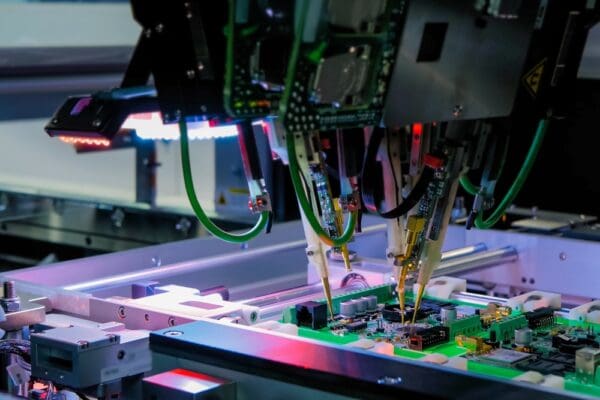
Automation, in the industrial context, involves the use of technology to control and monitor production processes with minimal human intervention. By automating tasks, manufacturers can increase efficiency, reduce errors, and improve overall productivity.
Smart manufacturing takes automation to the next level by integrating data analytics, artificial intelligence, and the Industrial Internet of Things (IIoT) to create intelligent, interconnected systems. The result is real-time optimization, predictive maintenance, and data-driven decision-making, leading to greater agility, efficiency, and competitiveness.
Embedded hardware acts as the crucial link between the physical and digital in smart factories. It provides machines with the intelligence to sense, process, and respond to their environment, enabling them to operate autonomously, communicate with each other, and adapt to changing conditions.
Unlike general-purpose computers like laptops or smartphones, embedded systems are purpose-built for their applications. They’re often hidden within the devices they control, working tirelessly behind the scenes. The key components of an embedded system include:
- Microcontroller: This is the “brain” of the embedded system, responsible for executing instructions and controlling the system’s operations.
- Memory: Embedded systems use various types of memory, including RAM for temporary data storage and ROM for permanent program storage.
- Input/Output (I/O) Interfaces: These allow the embedded system to interact with the outside world, receiving signals from sensors and sending commands to actuators.
- Sensors: Devices that gather information about the physical environment, such as temperature, pressure, or position.
- Actuators: The actuators perform physical actions based on commands from the microcontroller, such as controlling motors, valves, or displays.
- Software: Embedded systems run specialized software that’s tailored to their specific tasks.
Characteristics of Embedded Systems
What makes embedded systems so well-suited for industrial automation? It all comes down to their unique characteristics:
- Real-Time Operation: Many embedded systems need to respond to events in real-time, meaning they must react within a specific timeframe.
- Dedicated Functionality: They’re designed for a particular purpose and are not easily reconfigured for other tasks.
- Size and Power Constraints: Embedded systems often need to be small and energy-efficient, especially in portable or battery-powered devices.
Embedded system applications are vast and varied, ranging from consumer electronics and automotive systems to industrial automation and medical devices. Their versatility and adaptability make them essential in today’s technology-driven world. Embedded technology continues to evolve, driving innovation in countless industries.
Types of Embedded Systems in Automation
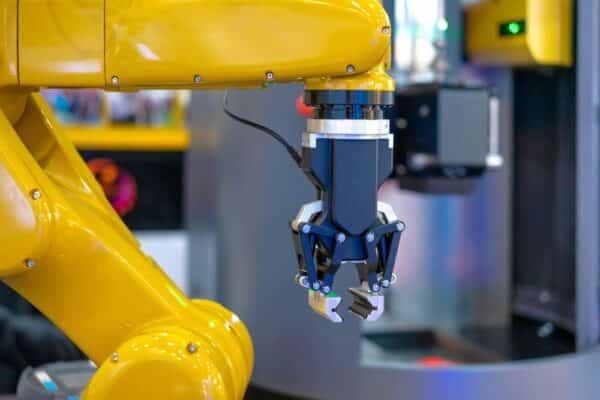
In terms of industrial automation, embedded systems play a pivotal role in controlling and monitoring various processes. Here are some common types:
- End-of-Arm Tooling with Communications and Tool Changers: Sophisticated systems go beyond basic industrial robotic arms. They incorporate embedded controllers that enable advanced functionalities like end-of-arm tooling, precise manipulation, and communication with other systems for greater flexibility and adaptability in automated tasks.
- Gateways: The gateways act as bridges between different communication protocols, allowing disparate systems within a factory to share data. DEVELOP designs gateways that enable smooth integration of various devices and networks, ensuring a truly interconnected manufacturing environment.
- I/O Modules: These essential components provide the interface between an embedded system and the real world. They handle the input from sensors and the output to actuators, enabling the system to monitor and control physical processes. DEVELOP LLC offers a semi-custom hardware design service, where we work with clients to develop tailored I/O modules that meet their specific application requirements.
- IoT and Data Logging: Embedded systems play a crucial role in the Industrial Internet of Things (IIoT) by enabling data collection, processing, and transmission from connected devices. Our team develops embedded solutions that ensure data logging, remote monitoring, and analysis, providing manufacturers with valuable insights for optimization and decision-making.
- HMIs (Human-Machine Interfaces): These are the visual interfaces that allow humans to interact with embedded systems. DEVELOP designs user-friendly HMIs that provide clear and intuitive control over complex automation processes, improving operator efficiency and reducing errors.
- ECUs (Electronic Control Units): These are the brains behind many complex automated machines. They control and monitor various functions, such as engine performance, emissions, and safety systems. Our engineers have extensive experience in designing and implementing ECUs for a wide range of industrial applications.
When choosing an embedded system for a specific automation task, a few factors must be considered:
- Processing Power: The microcontroller must be powerful enough to handle the required computations.
- Memory Capacity: Sufficient memory is needed to store program code and data.
- Communication Interfaces: The system must have the necessary interfaces to connect with other devices and systems.
- Real-Time Capabilities: If the application requires real-time responses, the system must be designed to meet those demands.
Evolution of Embedded Systems in Manufacturing
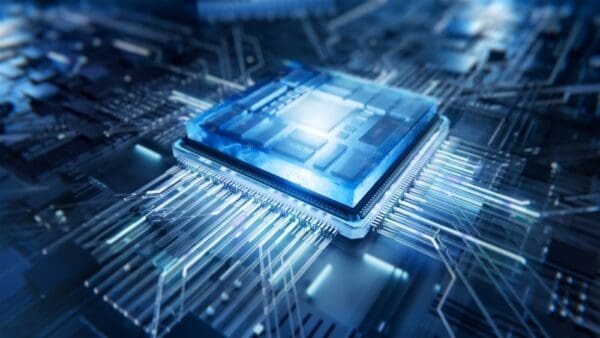
The use of embedded systems in manufacturing has a rich history, evolving alongside advancements in technology. Early automation relied on simple mechanical and electrical systems. The advent of microprocessors in the 1970s paved the way for more sophisticated embedded controllers, leading to the development of PLCs and other automation technologies.
Today, embedded systems are integral to the manufacturing and Industry 4.0 revolution. They enable the creation of smart factories where machines are interconnected, data is readily available, and processes are optimized in real-time. This evolution has been driven by advancements in factory technologies, such as industrial communication networks, sensor technology, and data analytics.
By understanding the evolution of embedded systems, we can appreciate their crucial role in shaping the future of manufacturing.
Spot the Automation Opportunities in Your Factory
Stop letting bottlenecks, labor shortages, and missed opportunities hold you back.
Our free eBook, Automate to Elevate: Your Automation Assessment Guide, reveals the secrets to pinpointing high-ROI automation opportunities hiding in plain sight. Learn our proven DIY assessment process and start a more efficient, profitable future.
How Embedded Hardware and Automation Power Smart Manufacturing
Embedded systems are more than just the “brains” of individual machines; they’re the driving force behind the entire smart manufacturing environment. By enabling real-time control, communication, and data-driven decision-making, embedded hardware allows factories to operate with unprecedented efficiency, flexibility, and responsiveness.
Real-time Control and Monitoring
One of the key benefits of embedded systems and automation is the ability to perform real-time control and monitoring of manufacturing processes. Embedded systems can collect data from sensors, analyze it instantly, and make adjustments to the process within milliseconds, ensuring optimal performance and quality.
Here are some examples of how embedded systems enable real-time control and monitoring:
- Real-Time Performance Monitoring: Embedded systems can continuously monitor various parameters of machines, such as temperature, pressure, vibration, and energy consumption. The early detection of anomalies and potential failures ensures proactive maintenance, preventing costly downtime.
- Automated Quality Control: Embedded vision systems can inspect products in real-time, identifying defects and ensuring that only high-quality products move on to the next stage of production. That level of control reduces waste, improves product quality, and enhances customer satisfaction.
- Adaptive Control Systems: Embedded systems can adapt to changing conditions in the manufacturing environment, such as variations in raw materials or fluctuations in demand. Adaptability ensures consistent product quality and optimizes production efficiency.
The use of embedded systems in industrial automation has significantly improved the speed, accuracy, and responsiveness of manufacturing processes. By enabling real-time control, manufacturers can optimize production, reduce errors, and enhance overall productivity.
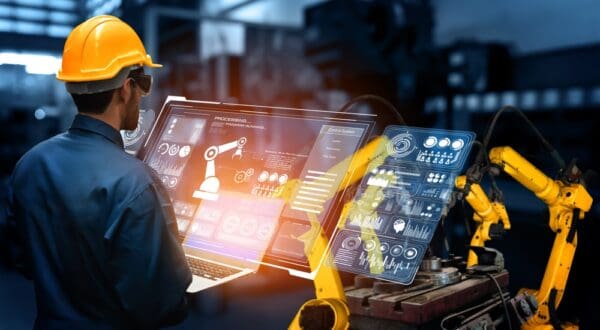
Enhanced Connectivity and Communication
Embedded systems play a vital role in ensuring communication between machines, devices, and systems within a smart factory. That interconnectedness is essential for achieving seamless data flow, coordinated operations, and efficient production.
Key communication technologies used in embedded systems and automation include:
- Industrial Ethernet: This rugged networking technology provides high-speed, reliable communication between machines and devices on the factory floor.
- Fieldbus Protocols: These specialized communication protocols are designed for industrial automation, enabling efficient data exchange between sensors, actuators, and controllers.
- Wireless Communication: Technologies like Wi-Fi and Bluetooth are increasingly used in smart factories to enable wireless connectivity for mobile devices, sensors, and robots.
Enhanced connectivity allows for real-time data sharing, remote monitoring, and centralized control of manufacturing operations. It also enables the integration of different systems and devices, creating a truly interconnected and intelligent factory environment.
Data Analytics and Decision Making
Smart manufacturing relies heavily on data analytics to gain insights into production processes, identify areas for improvement, and make informed decisions. Embedded systems are crucial for collecting, processing, and transmitting the data needed for these analyses.
Embedded systems can gather data from various sources, such as sensors, machines, and production lines. This data can then be processed locally on the embedded device (edge computing) or sent to a central server or cloud platform for further analysis.
By analyzing this data, manufacturers can:
- Identify bottlenecks and inefficiencies in production processes.
- Optimize machine settings and parameters for improved performance.
- Predict potential failures and schedule preventative maintenance.
- Track production progress and identify trends in real-time.
- Make data-driven decisions to improve overall efficiency and productivity.
Smart manufacturing technology applies the power of data analytics to create intelligent, self-optimizing factories that can adapt to changing conditions and meet the demands of the modern market.
Predictive Maintenance and Reduced Downtime
Unplanned downtime due to equipment failures can be a significant cost factor for manufacturers. Embedded systems enable predictive maintenance by continuously monitoring equipment health and anticipating potential failures before they occur.
By analyzing data from sensors and other sources, embedded systems can detect subtle changes in machine behavior that may indicate an impending failure. That allows for timely maintenance interventions, preventing costly downtime and extending the lifespan of equipment.
Benefits of predictive maintenance include:
- Reduced Downtime: By addressing potential issues before they cause failures, manufacturers can minimize production interruptions and maintain consistent output.
- Improved Asset Utilization: Predictive maintenance helps optimize the use of equipment, ensuring that it operates at peak efficiency and avoids unnecessary wear and tear.
- Lower Maintenance Costs: By proactively addressing potential problems, manufacturers can avoid costly repairs and replacements associated with unexpected breakdowns.
Embedded systems are essential for implementing effective predictive maintenance strategies, contributing to increased efficiency, reduced costs, and improved overall productivity in smart manufacturing.
DEVELOP LLC: Delivering Customized Embedded Hardware and Automation Solutions
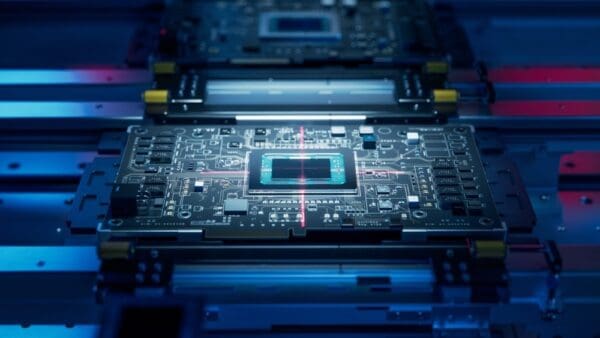
While understanding the intricacies of embedded systems and automation is crucial, finding the right partner to implement these technologies is equally important. DEVELOP LLC stands out as a leader in providing customized embedded hardware and automation solutions tailored to the unique needs of manufacturers.
Vertical Integration
DEVELOP LLC takes a vertically integrated approach to delivering embedded hardware and automation solutions. We handle all aspects of a project in-house, from design and engineering to manufacturing and implementation. Our comprehensive approach offers some key benefits:
- In-house Expertise: DEVELOP LLC has a team of skilled engineers and technicians with deep expertise in embedded systems, automation, and various industrial applications. They understand your specific needs and develop tailored solutions that optimize your processes.
- Streamlined Workflows: By managing all stages of a project internally, DEVELOP LLC ensures seamless communication and efficient workflows. We help you to reduce lead times, minimize errors, and accelerate project completion.
- Improved Quality Control: Vertical integration allows for strict quality control at every step of the process, from design and manufacturing to testing and deployment. The end solution meets the highest standards of reliability and performance.
Our commitment to vertical integration ensures that you receive a comprehensive, high-quality solution that easily integrates into your existing infrastructure and drives tangible results.
Custom Design and Engineering
DEVELOP LLC specializes in designing and developing custom embedded hardware designs that precisely match your specific requirements. We don’t believe in a one-size-fits-all approach. Instead, we work closely with you to understand your challenges and goals, then create a solution that addresses your unique needs.
Our expertise extends to various areas, including:
- Robotics: DEVELOP LLC designs and develops embedded controllers for robots, enabling precise motion control, sensor integration, and intelligent task execution. We help manufacturers automate complex tasks, improve precision, and increase productivity.
- Machine Vision: We create embedded systems for machine vision applications, enabling automated inspection, quality control, and object recognition. The result is improved product quality, reduced defects, and streamlined production processes.
- Industrial IoT: Our in-house team develops embedded hardware solutions with connectivity features, allowing industrial equipment to be monitored and controlled remotely. This enables predictive maintenance, data-driven optimization, and improved operational efficiency.
By combining our deep understanding of embedded technology with a customer-centric approach, DEVELOP LLC delivers innovative solutions that allow manufacturers to optimize their operations, achieve their business goals, and drive growth.
The Future of Embedded Hardware and Automation in Smart Manufacturing
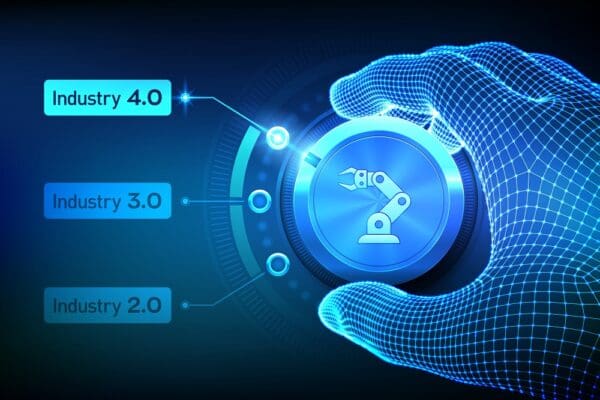
The manufacturing sector is constantly evolving, driven by technological advancements and the relentless pursuit of efficiency and productivity. Embedded hardware and automation are at the forefront of this transformation, shaping the future of smart factories and enabling new possibilities for manufacturers.
Emerging Trends
A few key trends are shaping the future of embedded systems and automation. These trends are already making an impact, but that impact can only grow:
- Artificial Intelligence (AI) and Machine Learning (ML): AI and ML algorithms are being integrated into embedded systems, enabling machines to learn from data, adapt to changing conditions, and make intelligent decisions autonomously. This technology alone opens up new possibilities for self-optimizing machines, predictive maintenance, and intelligent quality control.
- Edge Computing: Processing data closer to the source (i.e., at the “edge” of the network) is becoming increasingly important in smart manufacturing. Embedded systems with edge computing capabilities can analyze data locally, reducing latency, improving real-time responsiveness, and minimizing reliance on cloud connectivity.
- Industrial Internet of Things (IIoT): The IIoT connects machines, sensors, and other devices within a factory, enabling seamless data exchange and creating a truly interconnected manufacturing environment. Embedded systems are crucial for collecting data from these devices, processing it locally, and communicating it to other systems.
These emerging trends are pushing the boundaries of what’s possible in smart manufacturing, enabling greater automation, efficiency, and flexibility.
Future Applications
The future of embedded hardware and automation holds exciting possibilities for manufacturing:
- Autonomous Robots: Forget rigid, pre-programmed robots confined to cages. The next generation of autonomous robots, powered by sophisticated embedded systems, will explore factory floors with ease. They’ll dodge unexpected obstacles, collaborate seamlessly with human workers, and even learn new tasks on the fly. A newfound flexibility will allow for unprecedented levels of productivity and safety in manufacturing operations.
- Self-Optimizing Machines: No more unexpected breakdowns or frantic calls to maintenance. Embedded systems infused with AI will transform ordinary machines into self-diagnosing technology. Imagine a machine that can analyze its own performance in real-time, predict when it needs a tune-up, and even adjust its own settings to optimize output.
- Personalized Production: Embedded systems are paving the way for a new era of personalized production, where products are customized to individual customer needs. This demands manufacturing systems that are as agile as they are intelligent. Embedded controllers will manage a range of flexible machines, capable of switching between different product configurations rapidly, delivering products that perfectly match individual preferences with remarkable speed and precision.
These future applications will transform manufacturing, enabling greater customization, efficiency, and responsiveness to market demands.
However, it’s important to acknowledge the challenges and considerations associated with these advancements:
- Data Security: The increasing connectivity of embedded systems in smart factories raises concerns about data security and the risk of cyberattacks. Strong security measures must be implemented to protect sensitive data and ensure the integrity of manufacturing operations.
- Workforce Training: The adoption of advanced technologies requires a skilled workforce capable of operating and maintaining these systems. Manufacturers need to invest in training and development programs to ensure their employees are equipped with the necessary skills.
- Ethical Implications: As automation and AI become more prevalent in manufacturing, it’s crucial to consider the ethical implications, such as the potential impact on employment and the responsible use of these technologies.
DEVELOP LLC recognizes these challenges and we’re committed to staying at the forefront of these advancements. We prioritize providing solutions that not only deliver technological advantages but also address the practical considerations of implementation and ensure a strong return on investment (ROI) for our clients. By partnering with DEVELOP LLC, manufacturers can confidently tackle the complexities of Industry 4.0 and access the full potential of smart manufacturing, today and in the future.
Smart Manufacturing’s Potential with Embedded Hardware and Automation
As the manufacturing sector continues to evolve, embracing these technologies is no longer a choice but a necessity for businesses seeking to thrive in the era of Industry 4.0. By integrating embedded hardware and automation solutions, manufacturers can:
- Boost Productivity: Optimize processes, reduce errors, and accelerate production cycles.
- Enhance Quality: Improve product quality, minimize defects, and increase customer satisfaction.
- Reduce Costs: Minimize downtime, optimize resource utilization, and lower operational expenses.
- Increase Agility: Adapt quickly to changing market demands and customize production with ease.
- Gain a Competitive Edge: Stay ahead of the curve with innovative technologies and data-driven decision-making.
With our deep expertise in embedded systems, automation, and vertical integration, we deliver customized solutions tailored to your unique needs and challenges. Whether you’re looking to optimize existing processes, implement cutting-edge robotics, or apply the power of the IIoT, DEVELOP LLC can help you access the full potential of smart manufacturing.
Ready to start your smart manufacturing journey?
Contact DEVELOP LLC today to discuss your specific requirements and explore how our embedded hardware and automation solutions can transform your operations and drive sustainable growth.
Tell us more about your project, schedule a virtual meeting, or call (262)-622-6104 to set up a free virtual automation discussion with an automation specialist.
Your journey to a more efficient, innovative, and competitive manufacturing operation starts here.
Contact Us Today
About the Author:
Matt Moseman leads as President of DEVELOP, with a strong foundation from the Milwaukee School of Engineering, where he earned both a Bachelor’s and a Master’s in New Product Management. Moseman’s career highlights include his pivotal role in founding NodeUDesign, innovating in automation hardware, and driving DEVELOP LLC to the forefront of industrial robotics with a focus on enhancing productivity and efficiency.