

Welcome to DEVELOP’s comprehensive guide to End of Arm Tooling (EOAT). In the world of robotics and automation, EOAT plays a crucial role, acting as the “hand” of a robot and enabling it to interact with its environment. This guide will look into the intricacies of EOAT, exploring its various types, applications, and the key considerations for choosing the right tooling for your specific needs.
What is End of Arm Tooling?
End of Arm Tooling, often shortened to EOAT, covers a wide range of devices and systems attached to the end of a robotic arm. These tools are essential for robots to perform tasks such as gripping and assembling, making them indispensable in modern manufacturing and automation.
EOAT is like a robot’s hand. Just as our hands allow us to manipulate objects, EOAT enables robots to interact with and modify their surroundings. Whether it’s picking up a delicate component or applying adhesive, the right EOAT is crucial for efficient and precise robotic operation.
Why is EOAT so important in robotic systems? Quite simply, without EOAT, robots would be limited in their ability to perform meaningful work. EOAT provides the interface between the robot and the task at hand, allowing for a wide range of applications across various industries.
Key benefits of EOAT include:
- Efficiency: EOAT enables robots to perform tasks faster and more accurately than humans, leading to increased productivity and reduced cycle times.
- Flexibility: With the ability to quickly change EOAT (using tool changers), robots can adapt to different tasks and handle a variety of objects, making them highly versatile.
- Versatility: EOAT comes in countless forms, from simple grippers to complex sensor-equipped systems, allowing robots to perform a diverse range of applications.
At DEVELOP, we have extensive experience in designing and integrating EOAT solutions. Our expertise covers a wide range of end effectors, including grippers, vacuum grippers, and sensors, ensuring we can provide the optimal tooling for your specific automation needs.
Whether you’re new to robotics or looking to expand your knowledge of EOAT, this guide will equip you with the information you need to make informed decisions and optimize your automation processes.
If the concept of EOAT is completely new to you, start by reading our in-depth Manufacturer’s Guide to Robotic End-of-Arm Tooling and Robot End Effectors for a broad overview.
Types of EOAT: A Deep Overview
EOAT comes in a wide variety of forms, each designed for specific tasks and applications. Understanding the different types of EOAT is crucial for selecting the right tool for your robotic system. Let’s look first at some of the most common types of EOAT, their mechanisms, and their applications.
Industrial Robot Grippers

Grippers are perhaps the most recognizable type of EOAT. Industrial robot grippers mimic the function of a human hand, allowing robots to grasp and manipulate objects. Grippers come in various configurations, each with its own advantages and applications.
- Pneumatic Grippers: Powered by compressed air, pneumatic grippers for robots are the workhorses of the industry. Known for their raw gripping strength and lightning-fast speeds, they excel in applications demanding rapid cycle times and a firm grasp on hefty objects. Picture robot arms swiftly snatching components off a conveyor belt – that’s the power of pneumatics in action.
- Electric Grippers: If you need finesse, electric grippers are the answer. These digitally controlled tools offer precise command over gripping force, making them perfect for delicate tasks or those requiring nuanced adjustments. They’re used for more detailed work, such as carefully assembling fragile electronic components, as electric grippers provide the gentle touch.
- Servo Grippers: For even greater dexterity, there are servo grippers for intricate control over each gripper finger, enabling complex manipulation and precise positioning. Picture a robot delicately handling oddly shaped objects or performing intricate assembly tasks – servo grippers provide the agility required.
- Adaptive Grippers: Then we have adaptive grippers, which can conform to the shape of the object they’re grasping, making them ideal for handling irregular or delicate items. A great example is a robot picking up a soft fruit without bruising it – adaptive grippers rise to the challenge.
Choosing the right gripper involves careful consideration of several factors. Payload capacity, grip force, and speed are all critical, as is the environment in which the gripper will operate.
Vacuum Grippers
Imagine a robot effortlessly lifting large sheets of glass or delicate wafers. That’s the magic of vacuum grippers, utilizing suction cups to generate a secure hold on smooth, flat surfaces.
A vacuum pump creates negative pressure within the suction cups, causing them to adhere firmly to the object. The negative pressure allows the robot to lift and move the object with remarkable precision and stability. Vacuum grippers are a staple in industries like packaging and palletizing, or material handling, where they excel at moving items quickly and gently.
Magnetic Grippers
For handling ferrous metal objects, magnetic grippers are the go-to solution. They employ powerful magnets to firmly grasp and manipulate metal parts. Whether it’s moving steel sheets in an automotive factory or assembling components in a metal fabrication shop, magnetic grippers provide a reliable and efficient solution.
However, safety is paramount when working with magnetic grippers. It’s crucial to ensure proper workpiece securement and avoid interference with other magnetically sensitive equipment.
Tool Changers
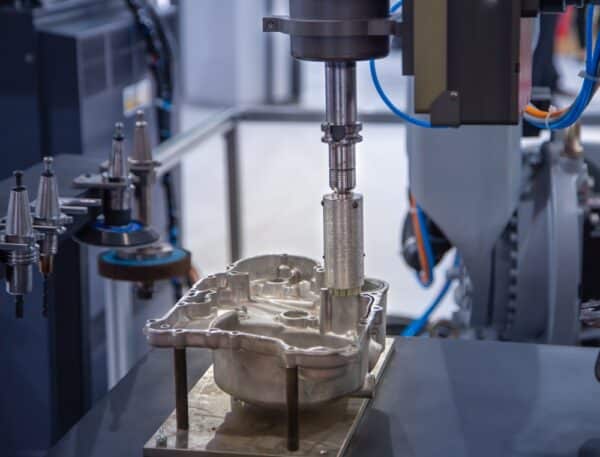
Tool changers are mechanical devices that allow robots to quickly swap out End of Arm Tooling. They act as a bridge between the robot arm and the various tools it needs to perform different tasks. That’s essential for maximizing the versatility and efficiency of robotic systems.
Manual vs. Automatic Tool Changers
The ability to quickly and efficiently change end of arm tooling is paramount. This is where tool changers come into play, offering a crucial advantage in adapting to diverse tasks and maximizing productivity. Let’s explore the two primary types of tool changers: manual and automatic.
- Manual Tool Changers: These require human intervention to swap out tools. While they offer some flexibility, they introduce downtime and can be prone to errors.
- Automatic Tool Changers: On the other hand, automatic tool changers enable robots to change tools autonomously. This significantly reduces downtime and increases productivity, as the robot can switch between tasks without human intervention.
The Benefits of Using Tool Changers
The advantages of incorporating robotic tool changers into your automation setup are numerous:
- Increased Productivity: By enabling rapid tool changes, automatic tool changers minimize downtime and keep your robots working at peak efficiency, ideal for higher throughput and faster production cycles.
- Reduced Downtime: Eliminate the time-consuming process of manually swapping out tools. With automatic tool changers, the robot tool change process is swift and seamless, minimizing production interruptions.
- Enhanced Flexibility: A single robot equipped with a tool changer can perform a multitude of tasks, adapting to changing production needs and maximizing your investment in automation.
- Improved Safety: Automatic tool changers reduce the need for human intervention, minimizing the risk of accidents and injuries associated with manual tool changes.
Incorporating tool changers into your robotic system is a strategic move towards greater efficiency, flexibility, and productivity. Whether you’re looking to optimize existing processes or design a new automated system, tool changers are essential for unlocking the full potential of your robots.
Sensors
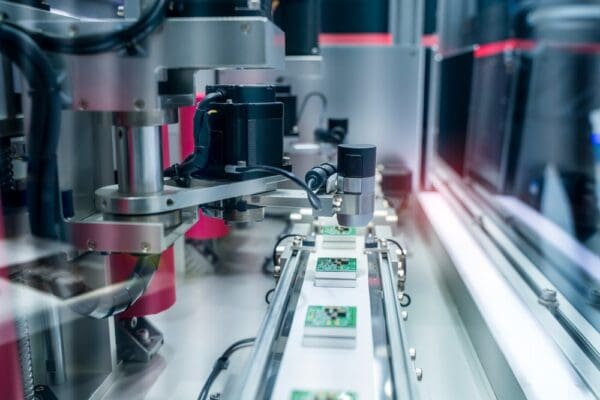
Imagine a robot that can “feel” the objects it interacts with, adjusting its grip strength and movements based on real-time feedback. This remarkable capability is made possible by sensors, the sensory organs of EOAT.
Types of Sensors Used in EOAT
To truly elevate robotic capabilities, we need to go beyond simple movements and programmed routines. Sensors provide robots with a sense of perception, allowing them to interact with their environment in a more intelligent and responsive manner.
- Force-Torque Sensors: These sensors measure the forces and torques applied to the EOAT, allowing the robot to “feel” how much force it’s exerting on an object. This is crucial for tasks that require delicate handling or precise force control, such as assembly, polishing, and deburring.
- Proximity Sensors: These sensors detect the presence of objects without physical contact. They’re used to determine the position and orientation of objects, enabling robots to navigate their surroundings and avoid collisions.
- Vision Sensors: Vision sensors, or cameras, give robots the ability to “see.” They capture images of the environment, allowing robots to identify objects, inspect parts for defects, and perform tasks that require visual feedback.
Enhancing Robot Capabilities with Sensor Feedback
The integration of sensors in EOAT significantly enhances robot capabilities in several ways:
- Improved Precision and Control: Force-torque sensors enable robots to apply the precise amount of force required for a task, preventing damage to delicate parts and ensuring consistent quality.
- Adaptive Grasping: Sensors allow robots to adjust their grip based on the object’s size, shape, and weight, enabling them to handle a wider variety of items.
- Collision Avoidance: Proximity sensors help robots explore their environment safely, avoiding collisions with obstacles or humans.
- Enhanced Quality Control: Vision sensors enable robots to inspect parts for defects, ensuring that only high-quality products move on to the next stage of production.
Incorporating sensors into EOAT means you can transform your robots from simple automated machines into intelligent and adaptable systems capable of performing complex tasks with greater precision and efficiency.
Expanding EOAT Capabilities: Custom Solutions & Leading Brands
While the world of EOAT offers a vast array of pre-engineered tools, sometimes your automation challenges demand a more tailored approach. Unique application requirements, intricate part geometries, or highly specialized tasks often need custom EOAT solutions.
At DEVELOP, we understand that one size doesn’t fit all in the world of robotics. That’s why we specialize in designing and building semi-custom EOAT that perfectly aligns with your individual needs. Our expert engineers work closely with you to develop solutions that optimize your processes and maximize your return on investment.
To achieve this, we integrate high-quality end of arm tooling components from a variety of leading EOAT manufacturers, ensuring you receive the best possible combination of performance, reliability, and value. Some of our trusted partners include:
- Festo: Renowned for their innovative and high-quality pneumatic and electric automation technology, Festo provides a comprehensive range of components, including grippers, actuators, valves, and sensors. Their expertise in handling and control systems makes them an ideal partner for developing tough and reliable EOAT solutions..
- OnRobot: OnRobot specializes in innovative and user-friendly EOAT solutions, such as electric grippers, force-torque sensors, and vision systems, designed to simplify automation and enhance robot capabilities.
- ATI Industrial Automation: ATI is a leader in robotic tool changers and force-torque sensing technology, offering high-performance solutions for precision applications and complex automation tasks.
- PIAB: PIAB excels in vacuum technology, providing a wide range of suction cups, vacuum pumps, and gripping systems for diverse material handling applications.
- COVAL: COVAL specializes in vacuum-focused end of arm tooling components, including suction cups, vacuum switches, and vacuum grippers, offering solutions for various industries and applications.
Specialized End Effectors For Specific Tasks
Beyond the fundamental types of EOAT, there’s a whole world of specialized end effectors designed for specific tasks. These tools cater to a wide range of applications, enabling robots to perform intricate and highly specialized operations.
- Adhesive and Glue Dispensing: Precise and controlled application of adhesives and sealants is crucial in many industries. Specialized dispensing end effectors ensure accurate and consistent material deposition, improving product quality and reducing waste.
- Drilling and Fastening Tools: Robots equipped with drilling and fastening end effectors can automate assembly processes, increasing efficiency and ensuring consistent quality. These tools can handle a variety of drilling and fastening operations, from simple screw driving to complex drilling patterns.
- Gripper Fingers: The versatility of grippers can be further enhanced with specialized gripper fingers. These fingers come in various materials, shapes, and configurations to accommodate different object sizes, shapes, and surface properties. Custom-designed gripper fingers can be tailored to specific applications, ensuring a secure and reliable grip.
By combining our expertise in EOAT design with high-quality end of arm tooling components from leading brands like Festo, we help your robots to perform a wide range of tasks with precision and efficiency. Whether you need a standard solution or a custom-designed end effector, DEVELOP has the knowledge and experience to deliver the perfect tool for your automation needs.
Spot the Automation Opportunities in Your Factory
Stop letting bottlenecks, labor shortages, and missed opportunities hold you back.
Our free eBook, Automate to Elevate: Your Automation Assessment Guide, reveals the secrets to pinpointing high-ROI automation opportunities hiding in plain sight. Learn our proven DIY assessment process and start a more efficient, profitable future.
Applications of EOAT Across Industries
EOAT is not confined to a single industry or task. Its versatility extends across a wide range of applications, transforming the way businesses operate and manufacture products. From the delicate assembly of electronics to the heavy lifting of industrial materials, EOAT is transforming automation across diverse sectors.
Robotic Tooling for Material Handling

Material handling is a cornerstone of many industries, and EOAT plays a crucial role in streamlining these processes.
- Picking and Placing with EOAT: Robots equipped with grippers, vacuum grippers, or magnetic grippers can efficiently pick and place objects of varying sizes, shapes, and weights. This is essential for tasks like sorting or packaging and loading/unloading.
- Palletizing and Depalletizing with Robotic Tool Changers: Robots with tool changers can rapidly switch between different grippers or vacuum systems to palletize and depalletize a wide range of products, optimizing warehouse operations and logistics.
- Sorting and Packaging with End of Arm Tooling: Vision-guided robots with specialized grippers can identify and sort objects based on their characteristics, enabling efficient and accurate sorting and packaging processes.
EOAT for Packaging, Case Erecting, and Palletizing

EOAT is essential for automating packaging processes, improving efficiency, and reducing labor costs.
- Case Erecting: Robots equipped with specialized end effectors can efficiently erect cardboard boxes, preparing them for filling and sealing. Vacuum grippers and suction cups are often used to handle the cardboard sheets, while folding and gluing mechanisms ensure precise case formation.
- Palletizing: Robots with various grippers, including vacuum grippers and palletizing grippers, can automate the process of stacking products onto pallets. They ensure consistent stacking patterns, maximizes pallet space utilization, and improves overall efficiency.
Robotic Tooling in Machine Tending

Machine tending is another area where EOAT shines, automating repetitive tasks and freeing up human workers for more complex operations.
- Loading and Unloading CNC Machines with EOAT: Industrial robot grippers play a vital role in automating machine tending tasks, such as loading and unloading CNC machines. Pneumatic grippers for robots are particularly well-suited for these applications due to their ability to handle heavy workpieces and withstand harsh industrial environments.
- Press Tending with Robotic Tool Changers: Robots with tool changers can automate press tending operations, safely and efficiently transferring parts in and out of presses, minimizing downtime and improving operator safety.
- Injection Molding Machine Tending Using End of Arm Tooling: When equipped with specialized grippers and sensors, robots can automate the removal of parts from injection molding machines, ensuring consistent quality and reducing the risk of damage to delicate parts.
EOAT in Assembly
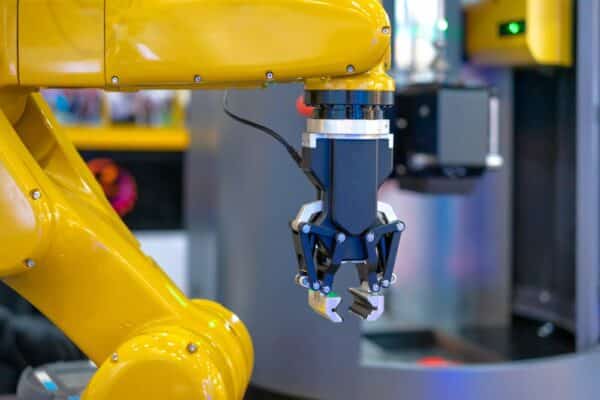
Assembly processes often involve intricate and repetitive tasks, making them ideal candidates for automation with EOAT.
- Automated Assembly with EOAT: Robots with specialized grippers and screwdrivers can automate various assembly tasks, improving precision, consistency, and speed.
- Electronics Assembly with Robotic Tool Changers: When equipped with tool changers, robots can handle the delicate and precise assembly of electronic components, placing parts, and performing inspections with high accuracy.
- General Product Assembly Using End of Arm Tooling: From furniture to appliances, robots with various grippers and end effectors can automate assembly processes across a wide range of industries, improving efficiency and product quality.
Other Applications of End of Arm Tooling

The applications of EOAT extend beyond the typical manufacturing tasks. Here are a few examples:
- Inspection and Quality Control with EOAT: Vision systems and sensors integrated with EOAT enable automated inspection of parts, identifying defects and ensuring adherence to quality standards.
- Surface Finishing Using Robotic Tooling: Robotic sanding, polishing, and deburring tools automate surface finishing operations, achieving consistent results and improving product quality.
- Dispensing and Gluing with End of Arm Tooling: Precise and consistent application of adhesives, sealants, and other fluids is achieved with specialized dispensing end effectors, minimizing waste and enhancing product quality.
As you can see, the applications of EOAT are vast and continue to expand as technology advances. By understanding the diverse capabilities of EOAT, you can unlock new possibilities for automation and optimize your operations across various industries.
Choosing the Right EOAT: A Practical Guide

Selecting the optimal EOAT for your robotic system is crucial for maximizing efficiency, productivity, and safety. With countless options available, the decision can seem daunting. Let’s look through the key considerations, so that you can make informed choices and achieve automation success.
Application Requirements for EOAT
Before getting into specific EOAT types, define your application’s unique needs.
- Payload: Determine the maximum weight your EOAT needs to lift and manipulate. This will influence the gripper size, actuation method (pneumatic, electric, etc.), and overall design.
- Speed: How fast does your EOAT need to operate? High-speed applications may require pneumatic grippers or lightweight designs to minimize cycle times.
- Precision: What level of accuracy is required? Tasks demanding precise movements and delicate handling may need force-torque sensors or servo grippers for fine control.
- Environment: Consider the operating environment. Will the EOAT be exposed to extreme temperatures, dust, moisture, or corrosive substances? These factors will influence material selection and design considerations.
Robot Specifications for EOAT Integration
Your robot’s capabilities play a significant role in EOAT selection.
- Reach: Ensure the robot’s reach is sufficient for the intended application and that the EOAT doesn’t hinder its movement or create clearance issues.
- Payload: The robot’s payload capacity must exceed the combined weight of the EOAT and the workpiece.
- Mounting Interface: Verify compatibility between the robot’s mounting flange and the EOAT’s interface.
Material Properties and EOAT Selection
The characteristics of the materials you’ll be handling are crucial in determining the right EOAT.
- Size and Shape: The dimensions and geometry of the objects will influence the type of gripper or end effector required.
- Weight: As mentioned, the weight of the objects will dictate the necessary payload capacity of the EOAT.
- Fragility: Delicate objects may require specialized grippers with soft grip surfaces or vacuum systems to prevent damage.
Budget and ROI for End of Arm Tooling
While EOAT is an investment, it’s essential to consider the long-term benefits.
- Initial Cost: This includes the purchase price of the EOAT itself, along with any necessary accessories or customization. For example, if you’re implementing a vacuum gripper system, factor in the cost of the gripper, suction cups, vacuum pump, and any necessary tubing or fittings. If you require specialized gripper fingers or custom-designed end effectors, those costs should be included as well.
- Maintenance Costs: EOAT, like any equipment, requires ongoing maintenance to ensure optimal performance and longevity. Factor in potential expenses for:
-
- Replacement Parts: This could include items like suction cups for vacuum grippers, foam grippers for delicate objects, filters for pneumatic systems, or gripper fingers that are subject to wear and tear.
- Servicing: Regular servicing might involve cleaning, lubrication, inspection, and potential repairs.
- Return on Investment (ROI): While there are upfront and ongoing costs associated with EOAT, the potential return on investment can be significant. Analyze the potential benefits, such as:
-
- Increased Productivity: EOAT enables faster cycle times, higher throughput, and increased output.
- Reduced Labor Costs: Automation with EOAT can reduce the need for manual labor, leading to cost savings.
- Improved Quality: EOAT can improve consistency, accuracy, and reduce defects, leading to higher-quality products.
- Minimized Downtime: Reliable EOAT and preventive maintenance can minimize production downtime and associated costs.
DEVELOP’s Consultative Approach to EOAT
At DEVELOP, we know that choosing the right EOAT can be complex. Our experienced engineers take a consultative approach, working closely with you to understand your unique needs and guide you towards the optimal solution.
We use our expertise in EOAT design, integration, and customization to provide tailored recommendations that align with your application requirements, robot specifications, and budget.
EOAT Design Considerations
Proper design is paramount for EOAT performance, safety, and longevity.
- Weight: Minimize the weight of the EOAT to reduce stress on the robot arm and improve its speed and agility.
- Grip Strength: Ensure the EOAT has sufficient grip strength to securely hold and manipulate the workpiece without causing damage.
- Durability: Select durable materials and robust designs to withstand the demands of the application and ensure long-term reliability.
- Safety: Incorporate safety features, such as sensors and collision avoidance mechanisms, to protect workers and prevent damage to equipment.
By carefully considering these factors, you can confidently select the right EOAT for your robotic system and access the full potential of automation. If you need assistance or expert advice, don’t hesitate to contact DEVELOP. We’re here to help you tackle the world of EOAT and achieve your automation goals.
Maintenance and Troubleshooting for EOAT
Just like any piece of sophisticated equipment, EOAT requires proper care and attention to ensure optimal performance and longevity. Let’s check the essential maintenance practices and troubleshooting tips to keep your robotic tooling operating at its best.
Preventive Maintenance Tips for Robot Tooling
A proactive approach to maintenance can prevent costly downtime and extend the lifespan of your EOAT.
- Regular Inspections and Cleaning: Regularly inspect your EOAT for signs of wear and tear, such as loose connections, damaged cables, or worn-out components. Clean the EOAT regularly to remove debris, dust, or contaminants that could affect its performance. For pneumatic grippers, this might involve checking air lines for leaks and ensuring proper lubrication. For vacuum grippers, inspect suction cups for wear and tear and clean them to maintain optimal suction.
- Lubrication and Component Replacement: Keep moving parts properly lubricated to reduce friction and wear. This is especially important for grippers with many moving parts, like servo grippers with multiple gripper fingers. Establish a schedule for replacing components that are prone to wear and tear, such as seals, springs, and air filters.
- Addressing Common Wear and Tear Issues: Be aware of common wear and tear issues associated with specific EOAT types. For example, magnetic grippers may experience a decrease in magnetic strength over time, while tool changers might develop alignment issues. Address these issues promptly to prevent more significant problems.
Troubleshooting Common EOAT Problems
Even with meticulous maintenance, occasional issues may arise. Here are some troubleshooting tips for common EOAT problems:
- Grip Failures: If a gripper fails to grasp objects securely, check for worn or damaged gripper fingers, insufficient air pressure (for pneumatic grippers), or problems with the control system.
- Sensor Malfunctions: If sensors, such as force-torque sensors or proximity sensors, aren’t providing accurate readings, inspect the sensor connections, wiring, and the sensor itself for damage.
- Tool Changer Issues: If a tool changer isn’t functioning correctly, inspect the locking mechanism, alignment pins, and communication signals to identify the source of the problem.
DEVELOP’s Support Services for EOAT
At DEVELOP, we’re committed to supporting your automation journey beyond the initial installation. We offer a range of services to help you maintain and troubleshoot your EOAT:
- Post-Installation Support: We provide comprehensive post-installation support and customized maintenance programs to ensure your EOAT operates at peak performance.
- Remote Maintenance: Our team can provide remote diagnostics and troubleshooting assistance to help you quickly resolve any issues that may arise.
By following these maintenance and troubleshooting tips and using DEVELOP’s support services, you can ensure the long-term reliability and efficiency of your EOAT, maximizing your return on investment and achieving your automation goals.
EOAT and the Advancement of Automation
As we’ve explored, End of Arm Tooling is far more than just a set of tools for robots. It’s a driving force behind innovation in modern manufacturing, enabling businesses to achieve new levels of efficiency, flexibility, and productivity.
From the intricate grippers that delicately assemble electronics to the robust tool changers that allow seamless task switching, EOAT gives robots the ability to perform a diverse range of operations with precision and speed. Whether it’s material handling, machine tending, or complex assembly processes, the right EOAT can transform your automation capabilities.
At DEVELOP, we’re passionate about pushing the boundaries of EOAT technology. We’re committed to providing our customers with cutting-edge solutions that optimize their processes and drive their success. Our expertise in EOAT design, combined with our partnerships with leading brands like Festo and OnRobot, allows us to deliver tailored solutions that meet the unique needs of each customer.
Whether you’re looking to enhance your existing robotic systems or start your first automation project, DEVELOP is your trusted partner in EOAT innovation. We offer a comprehensive range of end effectors, from pneumatic grippers and vacuum grippers to force-torque sensors and specialized process tools to elevate your automation capabilities.
Ready to take your automation to the next level?
Contact DEVELOP today to discuss your EOAT needs. Our expert engineers will work closely with you to identify the optimal solutions for your applications, ensuring you achieve maximum efficiency, productivity, and return on investment.
Tell us more about your project, schedule a virtual meeting, or call (262)-622-6104 to set up a free virtual automation discussion with an automation specialist.
Your journey to a more efficient, innovative, and competitive manufacturing operation starts here.
Contact Us Today
About the Author:
Matt Moseman leads as President of DEVELOP, with a strong foundation from the Milwaukee School of Engineering, where he earned both a Bachelor’s and a Master’s in New Product Management. Moseman’s career highlights include his pivotal role in founding NodeUDesign, innovating in automation hardware, and driving DEVELOP LLC to the forefront of industrial robotics with a focus on enhancing productivity and efficiency.