

This guide provides a practical overview of low voltage electronics for industrial and commercial applications, covering essential components and system design considerations.
Low voltage generally refers to electrical systems operating below 50 volts. However, specific definitions may vary depending on the application and relevant standards like IEC, BS 7671, and NEC. It’s important to distinguish low voltage power distribution, which uses higher voltages (hundreds of volts), from low voltage electronics, typically operating at 50V or less.
Low voltage electronics are pervasive, enabling a wide range of applications across various industries. From everyday devices like smartphones and laptops to sophisticated systems used in automation, communication, and control, low voltage electronics are powering innovation and progress.
To understand these systems better, let’s look closer into the core components that make up low voltage electronics.
Understanding Low Voltage in Industrial Controls

While the term “low voltage” might seem straightforward, its definition can vary depending on the context and governing standards. Generally, it refers to electrical systems operating below 50 volts. However, organizations like the International Electrotechnical Commission (IEC), British Standard BS 7671, and the National Electrical Code (NEC) provide more specific definitions, often with different voltage thresholds depending on the application.
It’s essential to distinguish between low voltage in power distribution and low voltage in industrial controls. Power distribution systems, which supply electricity to buildings and facilities, may use “low voltage” to describe systems operating at a few hundred volts. In contrast, low voltage in industrial controls typically refers to circuits and devices operating at 50 volts or less, often powered by DC power supplies.
Why DC Low Voltage for Controls?
DC low voltage is prevalent in industrial controls for a few reasons:
- Constant Voltage: DC voltage provides a stable and consistent power source, crucial for precise control of actuators and sensitive electronic components.
- Easy Control: DC voltage is easily adjustable, allowing for precise control of motor speed, solenoid position, and other actuator parameters. This is essential for applications requiring fine-grained control and accuracy.
- Safety: Lower voltages generally reduce the risk of electrical shock, which is particularly important in industrial environments where personnel work in close proximity to equipment.
While AC motors are suitable for high-power applications where precise control is less critical, DC motors excel in situations requiring accurate speed and torque regulation. That alone makes DC low voltage systems ideal for applications like robotics, automation, and precision machinery.
Benefits of low voltage systems
The benefits of low voltage systems are numerous, making them a preferred choice in various applications. Safety is a primary concern, and low voltage significantly reduces the risk of electrical shock compared to higher voltage systems. This is particularly important in environments where personnel work in close proximity to electrical equipment.
Low voltage systems also contribute to energy efficiency. Lower operating voltages often translate to lower energy consumption, resulting in reduced operating costs and a smaller environmental footprint. This is a crucial consideration today, where sustainability and energy conservation are paramount.
Perhaps the most important advantage of low voltage systems is the lower cost. Low voltage components and low voltage wiring are typcially less expensive than their high-voltage counterparts, contributing to overall cost savings in design, installation, and maintenance.
Common Industry Applications
Low voltage electronics are being used across diverse industries, enabling automation, communication, and control.
- In agriculture, low voltage systems power automated irrigation, crop monitoring, and GPS-guided machinery.
- Mining relies on low voltage for safety systems, autonomous vehicles, and remote monitoring.
- Automotive applications include in-vehicle networking, EV charging infrastructure, and ADAS.
- Low voltage drives industrial automation, powering robotics, machine vision, and PLC control.
- Even aerospace utilizes low voltage for flight control, navigation, and communication systems.
Low Voltage Components

Low voltage systems are comprized of various interconnected components working together to achieve specific functions. These components range from the enclosure design that houses and protects the system to the intricate sensors and actuators that gather data and perform actions.
Enclosures and IP Ratings
Enclosures play a vital role in safeguarding low voltage components from environmental hazards and ensuring the reliable operation of low voltage systems. These enclosures provide a physical barrier against dust, moisture, and other external factors that could damage sensitive electronics or disrupt system functionality.
IP ratings awareness is important when selecting an enclosure for a low voltage system. IP stands for Ingress Protection, and these ratings are defined by international standards like IEC 60529.
An IP rating consists of two digits. The first digit indicates the level of protection against solid objects, ranging from 0 (no protection) to 6 (dust tight). The second digit represents the level of protection against liquids, ranging from 0 (no protection) to 9 (protection against high-pressure water jets).
For instance, an IP65 rating signifies that the enclosure is dust-tight and protected against water jets from any direction. That would make it suitable for outdoor applications where the low voltage system might be exposed to rain or splashing water. An IP67 rating offers even greater protection, as it indicates that the enclosure can withstand temporary immersion in water, ideal for low voltage systems in washdown areas or environments where they might be submerged.
Choosing the right enclosure with the appropriate IP rating ensures the longevity and reliability of low voltage systems in various environments. By providing a protective barrier against external elements, enclosures contribute to the overall performance and safety of low voltage electronics.
Selecting the right enclosure for your application
Choosing the right enclosure protects low voltage components and ensures the longevity of low voltage systems. A few factors should be considered when making this decision.
Enclosure Material Considerations
Enclosures are typically constructed from metal or plastic, each with its own advantages and disadvantages. Metal enclosures, such as those made from steel or aluminum, offer excellent durability and protection against impacts. They’re also effective at shielding against electromagnetic interference (EMI), which can be critical for sensitive low voltage electronics.
Plastic enclosures are lightweight and often more cost-effective. They also offer good resistance to corrosion, making them suitable for harsh environments.
Size and Mounting Options
The size of the enclosure should be chosen based on the number and size of the low voltage components it needs to house. Sufficient space should be allocated for wiring, connectors, and any future expansions. Mounting options are also important to consider, depending on where the low voltage system will be installed. Enclosures can be designed for wall mounting, DIN rail mounting, or free-standing installations.
Thermal Management
Heat dissipation is a big consideration for enclosures housing low voltage electronics. Many electronic components generate heat during operation, and excessive heat can lead to premature failure or performance degradation. Enclosures should be designed with adequate ventilation or incorporate cooling mechanisms such as fans or heat sinks to ensure proper thermal management.
Connectors and Cable Entry
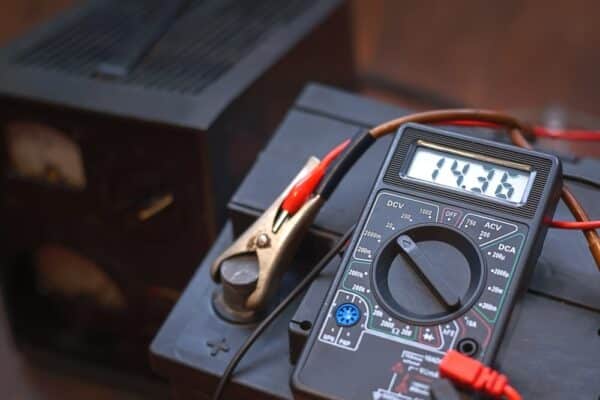
Connectors are key components in low voltage systems, providing secure and reliable connections between various devices and components. Selecting the appropriate connector is vital for ensuring proper signal transmission and maintaining the integrity of the low voltage system. Several types of connectors are commonly used in low voltage applications.
- M12 connectors, known for their circular design and tough construction, are often found in industrial automation and sensor applications.
- RJ45 connectors are widely used for Ethernet communication in low voltage networks.
- Terminal blocks provide a convenient way to connect multiple wires and are commonly used in control panels and junction boxes.
When choosing a connector, a few factors should be considered. The current rating of the connector should be appropriate for the electrical load it will carry. The signal type, whether it’s digital or analog, will also influence the choice of connector. Environmental requirements, such as exposure to moisture, dust, or vibration, should also be taken into account.
Cable glands and strain relief mechanisms are important for ensuring secure cable entry into enclosures and preventing damage to the connectors and wires. Cable glands provide a sealed connection, protecting the low voltage system from environmental contaminants. Strain relief mechanisms prevent excessive bending or pulling on the cables, which could lead to connection failures.
Proper installation and low voltage wiring practices are important for maintaining the reliability and performance of low voltage systems. Connectors should be installed according to manufacturer specifications to ensure proper mating and prevent damage. Wires should be securely fastened to the connectors using appropriate crimping or soldering techniques.
Sensors
Sensors are the foundation of data acquisition in low voltage systems, providing essential information about the surrounding environment. These devices convert physical phenomena, such as temperature, pressure, or motion, into electrical signals that can be processed and analyzed by low voltage control systems.
A key distinction to understand is the difference between analog and digital sensors.
- Digital sensors provide discrete output signals, typically indicating an on/off state or a simple presence/absence detection. These are often preferred for their straightforward data interpretation in control systems. For example, a proximity sensor might simply signal “object detected” or “no object detected.”
- Analog sensors provide a continuous output signal that corresponds to the measured value. This signal is usually a voltage or current that varies proportionally to the measured quantity. For example, a temperature sensor might output a voltage that increases linearly with temperature. While analog sensors offer more detailed information, their signals often require conversion using an Analog-to-Digital Converter (ADC) before they can be processed by a PLC or other digital control system.
Low voltage systems rely on a diverse array of sensors to gather information about the physical world. These sensors act as the system’s eyes and ears, converting real-world phenomena into electrical signals that can be processed and analyzed.
- Temperature sensors are essential wherever precise temperature monitoring is required. From maintaining optimal temperatures in HVAC systems to ensuring precise control in industrial processes, these sensors provide crucial data for maintaining efficiency and safety. They typically output an analog signal corresponding to the measured temperature.
- Critical for monitoring pressure in hydraulic systems, industrial processes, and environmental applications, pressure sensors come in both analog and digital varieties. Digital pressure sensors often act as switches, triggering an output when a specific pressure threshold is reached. Analog pressure sensors provide a continuous output proportional to the measured pressure.
- Proximity sensors offer the unique ability to detect objects without physical contact. That makes them invaluable in applications like robotics, where precise positioning and collision avoidance are critical. These sensors are almost exclusively digital, providing a simple on/off signal to indicate the presence or absence of an object.
- Detecting movement is the domain of motion sensors. Widely used in security systems, automated lighting, and access control, these sensors typically provide a digital output, signaling when motion is detected within their range.
- In process industries and fluid management, level sensors play a crucial role in monitoring the level of liquids or solids in tanks and containers. Digital level sensors can act as simple switches, indicating when a level reaches a certain threshold. Conversely, analog level sensors provide a continuous output corresponding to the measured level.
- Flow sensors are essential for monitoring the movement of liquids or gasses in pipes. By providing a continuous analog output proportional to the flow rate, these sensors enable precise control in applications like adhesive dispensing automation, water management, and HVAC systems.
Machine Vision: Enhancing Automation with Sight
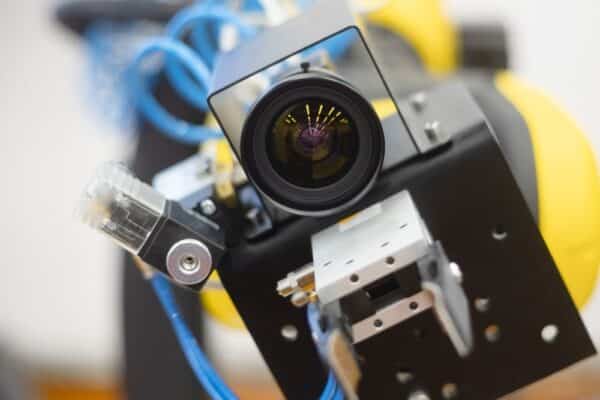
Machine vision is a rapidly evolving field within low voltage electronics that provides systems with the ability to “see” and interpret visual information. By combining cameras, specialized lighting, and powerful processing algorithms, machine vision systems can perform tasks like inspecting products for defects, guiding robots, and monitoring processes with exceptional speed and accuracy.
In industrial automation, machine vision plays a crucial role in improving quality control, increasing efficiency, and reducing reliance on manual inspection. For example, a machine vision system can inspect products on a production line, identifying defects that are invisible to the human eye.
DEVELOP LLC has extensive experience in designing and integrating custom machine vision solutions for various industries. Our expertise in low voltage electronics, combined with our knowledge of machine vision technologies, allows us to create tailored systems that meet the unique needs of our clients.
Actuators
Actuators are the “muscles” of a low voltage system, responsible for transforming electrical signals into physical actions. They bridge the gap between the electrical and the mechanical, enabling low voltage systems to interact with their surroundings.
- Motors provide rotational motion, forming the backbone of many industrial automation applications. Low voltage motors, in particular, offer precise speed and torque control for robotics, conveyor systems, and more.
- Solenoids generate linear motion when energized. Their rapid response times and compact design make them ideal for controlling valves, locks, and relays within low voltage systems.
- Relays act as electrically controlled switches, playing a role in safety and circuit protection. They isolate high-voltage components from the low voltage control system, ensuring reliable operation.
- Valves precisely regulate the flow of liquids or gasses, making them essential in industrial process control and hydraulic systems. Low voltage control allows for accurate adjustments of flow rates and pressures.
To achieve precise and efficient actuation, various control methods are employed. Pulse Width Modulation (PWM) is a common technique for controlling motor speed and solenoid position by adjusting the electrical signal’s duty cycle. For more sophisticated control, Proportional-Integral-Derivative (PID) controllers continuously adjust the actuator’s output based on feedback from the system.
Integrating actuators with low voltage control systems is a key factor in industrial automation. Programmable Logic Controllers (PLCs) monitor sensor inputs and send commands to actuators, enabling automated processes, improved efficiency, and enhanced safety.
Hydraulic Systems
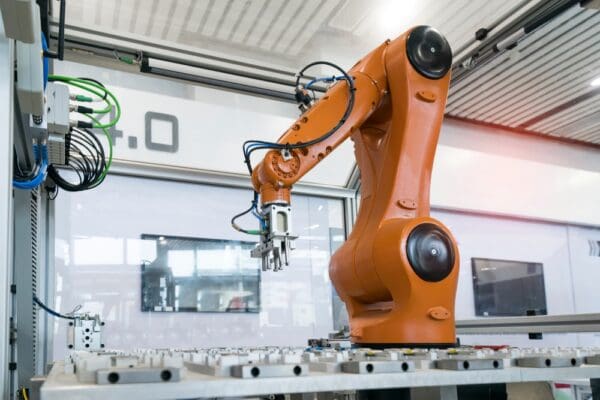
Hydraulic systems use pressurized fluids to generate and transmit power, offering a unique set of advantages for specific low voltage applications. Understanding the components, benefits, and safety considerations associated with hydraulics means effective integration with low voltage control systems.
A typical hydraulic system comprises a few key components:
- Pump: The pump is the heart of the system, responsible for generating the flow of hydraulic fluid. It converts mechanical energy into hydraulic energy, creating the pressure needed to actuate components.
- Valves: Valves control the direction and flow rate of the hydraulic fluid, directing it to the appropriate actuators and ensuring precise operation.
- Actuators: Hydraulic actuators, such as cylinders and motors, convert hydraulic energy into mechanical motion. They provide the force and movement required for various tasks, from lifting heavy loads to controlling precise movements.
- Reservoir: The reservoir stores the hydraulic fluid, ensuring a constant supply to the pump and accommodating changes in fluid volume due to temperature variations.
Compared to electrical actuators, hydraulic systems offer a few advantages:
- High Power Density: Hydraulic systems can generate significantly higher forces and torques than electrical actuators of comparable size, making them ideal for heavy-duty applications.
- Precise Control: Hydraulic systems can provide precise control over force, speed, and position, making them suitable for applications requiring delicate movements or high accuracy.
- Durability: Hydraulic components are generally robust and can withstand harsh operating conditions, including high temperatures, vibrations, and shock loads.
However, hydraulic systems also have some disadvantages:
- Potential for Leaks: Hydraulic systems can be prone to leaks, which can lead to environmental contamination and reduced efficiency.
- Maintenance Requirements: Hydraulic systems require regular maintenance, including fluid changes and component inspections, to ensure reliable operation.
- Noise: Hydraulic systems can generate noise pollution, especially at high pressures.
Despite these drawbacks, hydraulics remain ever present in industrial automation for applications involving heavy machinery, presses, and lifting equipment. Integrating hydraulics with low voltage control systems is often achieved using solenoid valves or proportional valves. Those valves allow for precise control of hydraulic actuators through low voltage electrical signals, enabling seamless integration with PLCs and other control systems.
Important Note: Safety is paramount when working with hydraulic systems. High pressures and potential leaks pose hazards that must be carefully managed. Proper training, adherence to safety procedures, and regular maintenance are there to prevent accidents and ensure safe operation.
Power Supplies
Power supplies are the lifeblood of low voltage electronics, providing the necessary electrical energy to operate various components and systems. Selecting the correct power supply is important for ensuring the reliable performance and longevity of low voltage electronics.
DC power supplies are commonly used in low voltage applications, converting AC power from the mains to the required DC voltage levels. These power supplies come in various forms, from simple wall adapters to sophisticated industrial units.
When choosing a power supply for low voltage electronics, a few factors should be considered:
- Voltage: The output voltage of the power supply must match the voltage requirements of the low voltage system. Using an incorrect voltage can damage components or cause malfunctions.
- Current: The power supply must be able to provide sufficient current to meet the demands of the low voltage system. Insufficient current can lead to voltage drops and unstable operation.
- Efficiency: Power supply efficiency is an important consideration, especially for applications where energy consumption is a concern. High-efficiency power supplies minimize energy waste and reduce operating costs.
- Regulation: Voltage regulation ensures that the output voltage remains stable even under varying load conditions. Good regulation is important for sensitive low voltage electronics that require a consistent power supply.
Industrial environments often present challenging conditions for power supplies. Extreme temperatures, high humidity, vibration, and electromagnetic interference (EMI) can all affect power supply performance. Industrial power supply options are designed to withstand these harsh conditions, ensuring reliable operation in demanding applications. Features like over-voltage protection, over-current protection, and thermal protection safeguard both the power supply and the low voltage system it powers.
Take the first step towards a more efficient and profitable future by taking our free Automation Assessment Questionnaire.
Low Voltage Systems
Low voltage systems are interconnected networks that enable communication, control, and automation in various applications. Understanding how these systems function as a whole is important for designing, implementing, and maintaining effective solutions.
Communication Systems
Various communication protocols and technologies ensure the exchange of data between devices and components within a low voltage network.
Common low voltage communication protocols include:
- RS-232: A simple point-to-point protocol often used for connecting devices like sensors and actuators to controllers.
- RS-485: A more robust protocol that supports multi-drop configurations, allowing multiple devices to communicate over a single bus. Commonly used in industrial automation and building automation systems.
- CAN bus: A highly reliable protocol widely used in automotive and industrial applications where real-time communication is a key factor.
- Ethernet/IP: A widely adopted industrial Ethernet protocol that uses standard Ethernet technology for high-speed communication in automation systems.
Wireless communication technologies are also increasingly prevalent in low voltage systems, particularly in industrial settings where wiring can be challenging or impractical. These technologies include:
- Bluetooth: A short-range wireless technology commonly used for connecting devices like sensors, actuators, and mobile devices.
- Wi-Fi: A versatile wireless technology that provides high-speed data transfer and is often used for connecting low voltage systems to wider networks.
- Zigbee: A low-power wireless technology designed for mesh networks, making it suitable for applications like building automation and industrial control.
Network topologies also play a role in the design and performance of low voltage communication systems. Common topologies include:
- Point-to-point: A simple configuration where two devices are directly connected.
- Bus: A linear topology where multiple devices are connected to a shared communication line.
- Star: A centralized topology where all devices are connected to a central hub or switch.
- Ring: A closed-loop topology where devices are connected in a circular chain.
- Mesh: A decentralized topology where devices can communicate with each other directly, creating a robust and redundant network.
The choice of topology depends on factors like the number of devices, communication requirements, and desired level of redundancy.
Control Systems
Control systems enable sophisticated monitoring and control of processes in various applications. They apply a combination of hardware and software components to achieve desired outcomes, ensuring efficiency, safety, and precision.
- Programmable Logic Controllers (PLCs) are at the heart of many low voltage automation systems. These ruggedized industrial computers are programmed to execute specific tasks, monitoring inputs from sensors and sending commands to actuators based on predefined logic. PLCs are widely used in manufacturing, process control, and building automation, providing reliable and flexible automation solutions.
- Human-Machine Interfaces (HMIs) bridge the gap between humans and machines, providing a user-friendly interface for interacting with low voltage systems. HMIs display real-time data from sensors, allow operators to adjust settings, and provide visual representations of processes. This enables efficient monitoring and control, enhancing productivity and reducing downtime.
Supervisory Control and Data Acquisition (SCADA) systems for large-scale industrial applications offer centralized monitoring and control of geographically dispersed low voltage systems. SCADA systems gather data from various sources, including PLCs and sensors, and provide a comprehensive overview of operations. Operators can monitor performance, identify potential issues, and make informed decisions to optimize processes.
By combining these control system components, low voltage electronics can achieve sophisticated automation and monitoring capabilities, enhancing efficiency, safety, and productivity in various industrial applications.
Low Voltage Applications in Key Industries

Low voltage electronics aren’t confined to a single sector. They power innovation and efficiency across a diverse range of industries. Here’s how low voltage systems are being applied in key sectors.
Agriculture
Modern agriculture relies heavily on low voltage electronics to optimize yields and improve sustainability. Precision farming techniques, such as automated irrigation and crop monitoring, utilize low voltage sensors and control systems to optimize resource usage and ensure optimal growing conditions.
GPS-guided machinery, driven by low voltage electronics, improves efficiency and accuracy in planting and harvesting operations. And low voltage data acquisition systems enable farmers to gather and analyze information about soil conditions, crop health, and environmental factors, leading to better decision-making and improved crop management.
Mining
The mining industry faces unique challenges that low voltage electronics help address. Autonomous vehicles and equipment, guided by low voltage sensors and control systems, improve safety and efficiency in hazardous mining environments.
Low voltage safety systems, such as gas detection and proximity sensors, protect personnel and prevent accidents. Remote monitoring and control of mining operations, enhanced by low voltage communication networks, allow for real-time data analysis and optimized resource management.
Automotive
Low voltage electronics are deeply embedded in modern vehicles, enabling advanced functionality and improved safety. For example, in-vehicle networking, utilizing protocols like CAN bus and LIN bus, ensures communication between various electronic control units (ECUs), sensors, and actuators within the vehicle.
Low voltage systems also play an important role in the growing electric vehicle (EV) market, powering charging infrastructure and managing battery systems. Advanced driver-assistance systems (ADAS), which rely on low voltage sensors and processors, enhance safety and pave the way for autonomous driving capabilities.
Industrial Products
Low voltage electronics are the backbone of industrial automation, enabling efficient and flexible manufacturing processes. Factory automation systems use low voltage sensors, actuators, and PLCs to control industrial robotic arms, implement machine vision for quality control, and automate production lines.
Low voltage systems also allow for more process control and monitoring, ensuring product quality and optimizing production efficiency. Predictive maintenance, powered by low voltage sensors and data analytics, helps prevent costly downtime and improve equipment reliability.
Aerospace
The demanding requirements of aerospace applications require highly reliable and efficient low voltage electronics. Flight control systems, responsible for aircraft stability and maneuverability, rely on low voltage sensors, actuators, and control systems.
Navigation and communication systems also depend on low voltage electronics. Environmental control systems within aircraft and spacecraft use low voltage sensors and actuators to maintain optimal temperature, pressure, and air quality for passengers and equipment.
Specialized Low Voltage Solutions
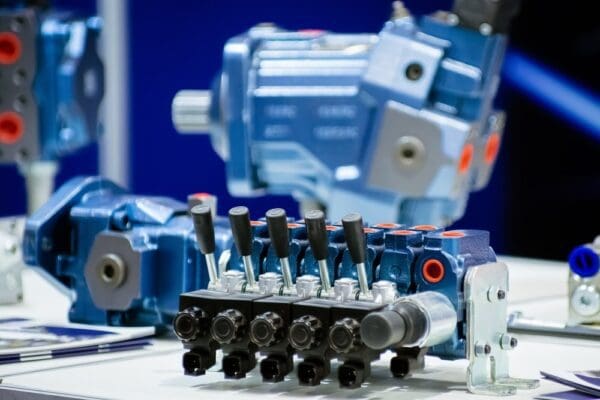
While many low voltage systems use standard components and configurations, certain applications demand specialized solutions tailored to specific needs. Let’s take a closer look at specialized areas where low voltage electronics play a key role.
Hydraulic Controls
Hydraulic systems are essential in various industries. Designing and integrating hydraulic control systems requires expertise in low voltage electronics to ensure seamless operation and precise control.
Solenoid valves and proportional valves, controlled by low voltage signals, regulate fluid flow and pressure, enabling accurate control of hydraulic actuators in applications like mobile machinery and industrial presses. Careful consideration of hydraulic circuit design and component selection can help achieve optimal performance and efficiency.
ICE Controls
Internal combustion engines (ICE) remain prevalent in many applications, and low voltage electronics play a vital role in optimizing their performance and minimizing emissions. Low voltage control systems for ICE integrate sensors to monitor parameters like engine speed, temperature, and exhaust gas composition. This data is used to precisely control actuators, such as fuel injectors and ignition systems, optimizing engine operation for efficiency and reduced environmental impact.
Data Capture and Analysis
Data is increasingly valuable, and low voltage electronics are incredibly useful for capturing, processing, and analyzing data from various sources. Implementing data acquisition systems using low voltage sensors allows for the collection of key information about processes, equipment performance, and environmental conditions.
Developing custom software for data analysis and visualization enables meaningful insights to be extracted from this data, ensuring informed decision-making and process optimization. Integrating these systems with cloud platforms further enhances capabilities, enabling remote monitoring, data sharing, and advanced analytics.
ECUs, Gateways, and Communication Devices
Electronic control units (ECUs) are the brains of many modern systems, and their design and programming require expertise in low voltage electronics. ECUs process sensor data, execute control algorithms, and send commands to actuators, enabling complex functionality in various applications.
Communication gateways allow for seamless data exchange between different systems and networks, enabling interoperability and efficient data flow. Awareness of various communication protocols, such as CAN, Ethernet/IP, and Modbus, means being better suited for designing effective low voltage communication solutions.
Analog and Digital I/O
Analog and digital input/output (I/O) modules interface low voltage control systems with the real world. Integrating these modules into various applications allows for the acquisition of analog signals from sensors and the control of actuators using digital signals.
Signal conditioning and processing ensure that signals are accurately interpreted and transmitted, maintaining the integrity of the low voltage system. Proper interfacing with sensors, actuators, and other devices leads to more reliable operation and accurate data acquisition.
Custom Low Voltage Systems
While many applications can utilize standard low voltage components and systems, certain situations demand custom solutions tailored to specific needs. Designing and implementing custom low voltage systems requires a deep understanding of application requirements, environmental considerations, and industry standards. By combining expertise in low voltage electronics with a focus on specific needs, custom solutions can optimize performance, efficiency, and reliability in unique applications.
Low Voltage Design and Integration
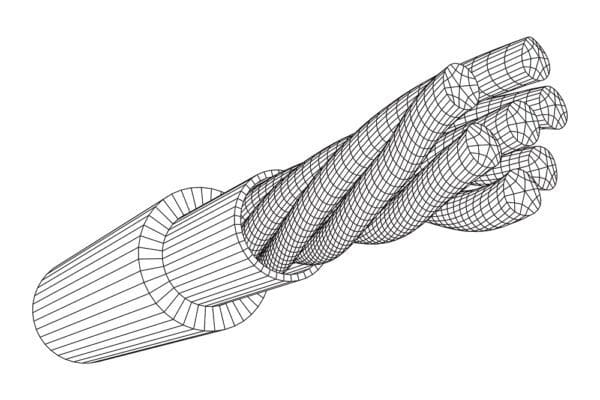
Designing and integrating low voltage systems requires careful consideration of various factors to ensure functionality, reliability, and safety.
System Design Considerations
When designing low voltage systems, a few important aspects must be addressed:
- Power Requirements: Accurately determining the power requirements of industrial equipment is essential for selecting appropriate low voltage power supplies and ensuring efficient operation. Consider factors like voltage levels, current draw, and potential load variations.
- Signal Integrity: Maintaining signal integrity in low voltage systems, especially in noisy industrial environments can ensure communication and control signals. Careful cable routing, shielding, and grounding techniques are important in scenarios with a need for minimizing noise and ensuring reliable signal transmission.
- Noise Reduction Techniques: Employing effective noise reduction techniques is vital for preventing interference and ensuring the accurate operation of low voltage electronics. That could involve using shielded cables, implementing filtering circuits, and employing proper grounding practices to minimize electromagnetic interference.
- Electromagnetic Compatibility: Adhering to electromagnetic compatibility (EMC) standards is necessary for ensuring that low voltage systems do not emit excessive electromagnetic radiation and are not susceptible to interference from other devices. It involves careful design and testing to meet industry standards and regulatory requirements.
Low Voltage System Integration Best Practices
Integrating various low voltage components into a cohesive and functional system requires careful planning and adherence to best practices.
- Component Selection: Choosing the right components for industrial applications ensures system reliability and performance. Consider factors like operating environment, voltage and current ratings, and compatibility with other components in the low voltage system.
- Wiring and Cabling: Proper wiring and cabling practices maintain signal integrity and prevent hazards in industrial environments. That means selecting appropriate cable types, ensuring secure connections, and following industry standards for cable routing and installation.
- Testing and Commissioning: Thorough testing and commissioning of complex low voltage systems verify functionality and identify potential issues before deployment. Testing individual components, subsystems, and the integrated system as a whole ensures proper operation.
- Documentation: Maintaining comprehensive documentation for industrial projects is crucial for facilitating maintenance, troubleshooting, and future upgrades. That includes documenting system design, component specifications, wiring diagrams, and test results.
The Future is Low Voltage: Partner with DEVELOP LLC to Power Your Projects
Low voltage electronics have become indispensable in today’s world, powering innovation and efficiency across a vast range of applications. From the mundane to the extraordinary, low voltage systems enable automation, communication, and control in ways that were unimaginable just a few decades ago.
DEVELOP LLC possesses extensive expertise in designing, integrating, and maintaining comprehensive low voltage solutions for businesses across various industries. Our team of skilled engineers understands the unique challenges of each sector and can provide tailored solutions that optimize performance, efficiency, and reliability.
Whether you need to automate processes, improve safety, enhance communication, or gather and analyze critical data, DEVELOP LLC has the knowledge and experience to deliver customized low voltage solutions that meet your specific needs.
Ready to explore how low voltage electronics can power your projects?
Book a free consultation with DEVELOP LLC today to discuss your requirements and discover how our expertise can benefit your business. Our team is ready to help you harness the power of low voltage to achieve your goals and drive success.
Take the first step towards a more efficient and profitable future by taking our free Automation Assessment Questionnaire.
About the Author:
Matt Moseman leads as President of DEVELOP, with a strong foundation from the Milwaukee School of Engineering, where he earned both a Bachelor’s and a Master’s in New Product Management. Moseman’s career highlights include his pivotal role in founding NodeUDesign, innovating in automation hardware, and driving DEVELOP LLC to the forefront of industrial robotics with a focus on enhancing productivity and efficiency.