

Product innovation isn’t just an option – it’s the lifeblood of your business. The power to create groundbreaking products that redefine industries and captivate consumers is vital. And at the core of this transformative power lies embedded hardware – the network of electronic components and software that breathes intelligence, functionality, and connectivity into your creations.
In terms of automation, embedded hardware is the driving force behind the next generation of smart factories and intelligent machines. It allows you to achieve unprecedented levels of precision, efficiency, and control, propelling your work processes into the future.
But what exactly is embedded hardware? How does it work its magic? And how can you harness its potential to revolutionize your product development journey?
What is Embedded Hardware?
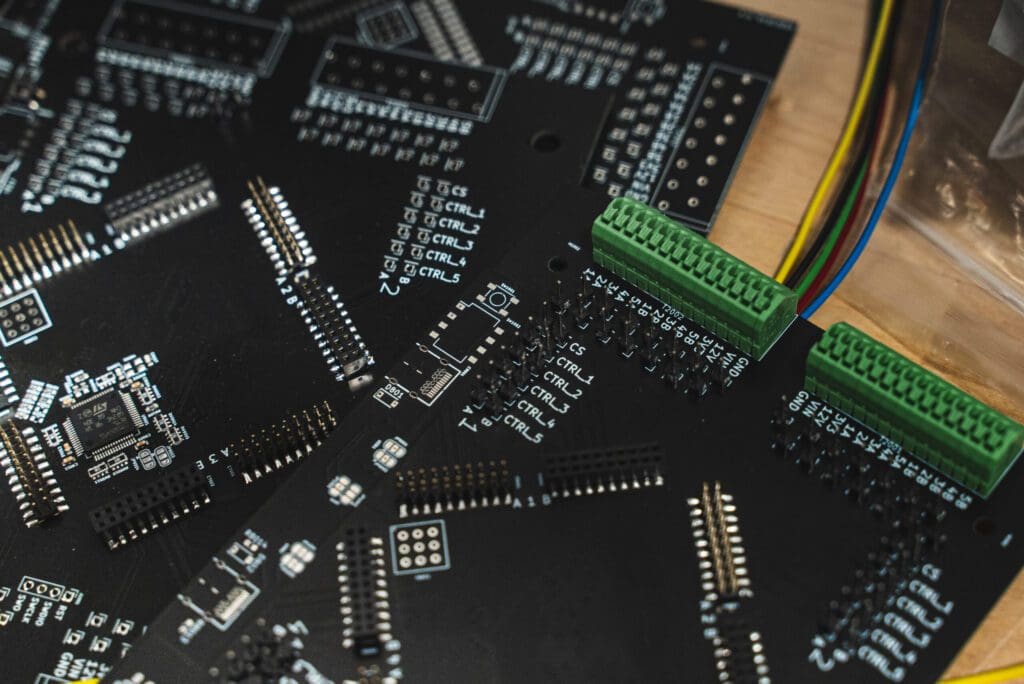
Think of hardware embedded systems, often referred to as electronic control units (ECUs), as the specialized brain within your product, designed to execute specific tasks with unwavering precision. It’s a self-contained computing system, seamlessly integrated into your larger product, working tirelessly behind the scenes to deliver the functionality and performance your customers demand.
Unlike the versatile computers you use every day, embedded hardware isn’t meant for general-purpose computing. It’s laser-focused on its assigned duties, operating within strict constraints of size, power, and cost. This specialization is what makes embedded hardware so remarkably efficient and adaptable to a wide range of applications.
The Power of Embedded Hardware in NPD
Embedded hardware is your secret weapon in the relentless pursuit of innovation. It allows you to create products that transcend limitations, offering unparalleled functionality, efficiency, and user experiences that leave your competitors in the dust.
Imagine the possibilities:
- Real-time Control: Embedded systems enable your products to react instantaneously to their environment, making split-second decisions and adjustments that ensure optimal performance and worker safety.
- Data Acquisition and Analysis: Harness the power of data by seamlessly collecting and analyzing information from a multitude of sensors. Gain invaluable insights into your products’ performance, identify areas for improvement, and make informed decisions that drive efficiency and profitability.
- Communication and Connectivity: Connect your products to the world, enabling remote monitoring, control, and data exchange. Use the Internet of Things (IoT) to unlock new possibilities for your business.
- Intelligent Decision-Making: Infuse your products with the ability to learn and adapt, thanks to advanced algorithms and machine learning capabilities embedded within the hardware itself. Create products that anticipate user needs, optimize performance, and evolve alongside your customers.
The impact of embedded hardware is felt across a range of sectors, fundamentally changing how equipment operates and interacts with its environment. In the demanding world of mining and agriculture, embedded hardware enables the creation of intelligent machinery that optimizes processes, enhances safety, and maximizes productivity even in the harshest conditions. For industrial equipment manufacturers, embedded systems drive innovation, allowing for sophisticated control, data collection, and connectivity that elevates performance and efficiency to new levels.
But it’s not just about groundbreaking features and dazzling experiences. Embedded hardware also offers tangible benefits for your bottom line. By streamlining development processes and optimizing resource utilization, it helps you reduce costs and accelerate time-to-market, giving you a crucial competitive advantage.
Related Reading: Choosing the Right Engineering Partner
Key Considerations in Embedded Hardware Design

Embedded hardware isn’t just about assembling components – it’s about creating a technological resource that integrates into your product and delivers exceptional performance. To achieve this, let’s explore the crucial factors that demand your attention during the design process.
Functionality and Performance
At the core of your embedded system lies the balance between functionality and performance. Selecting the right microcontrollers, microprocessors, and other components is paramount. It’s about finding the perfect balance between processing power, memory capacity, physical size, cost-effectiveness, and power consumption. Every choice you make will impact your product’s capabilities and efficiency.
Remember, optimization is key. You need to extract maximum performance while adhering to the constraints of your project. It’s a delicate balance, but one that our experts at DEVELOP have mastered.
Sensor and Actuator Integration (I/O)
Your product doesn’t exist in isolation. It interacts with the world around it, gathering data and responding to stimuli. This is where sensor and actuator integration, or I/O, comes into play. Embedded hardware acts as the bridge between the physical and digital elements, allowing your product to sense its environment and take action.
Think of sensors as your product’s eyes and ears, capturing data on temperature, pressure, motion, proximity, and countless other parameters. Actuators are the muscles, enabling your product to move, control processes, and interact with its surroundings.
Integrating these components is crucial for unlocking your product’s full potential. From signal conditioning and noise reduction to calibration and precise control, every aspect of sensor and actuator integration demands meticulous attention to detail.
Communication Protocols




Just as people across the globe speak different languages, embedded systems communicate using various protocols – their own unique “languages.” And much like human languages, certain protocols are more prevalent in specific regions or industries, with varying levels of acceptance and compatibility.
Read our Guide to Choosing the Right Communication Protocol To Connect Devices for more insights into the device connectivity and communication.
It’s crucial for your product to speak the right language to ensure seamless interaction with other devices and networks. Whether it’s Ethernet, Wi-Fi, Bluetooth, Zigbee, or other specialized protocols, selecting the appropriate one is paramount for achieving optimal connectivity and performance.
Consider the specific communication requirements of your product. What range do you need? How much power can you afford to consume? What level of security is required? These factors will guide you in choosing the ideal “language” for your embedded system, allowing it to communicate effectively and efficiently in its intended environment.
Power Management and Optimization
Businesses and consumers alike are increasingly concerned with energy conservation and sustainability, so power management is a top priority. Especially for battery-powered or energy-constrained applications, optimizing power consumption can significantly extend battery life and reduce environmental impact.
Explore techniques like sleep modes, low-power components, and efficient power conversion to squeeze every ounce of performance from your embedded system. Remember, every milliwatt saved translates into longer operating times and a greener product.
Real-Time Operating Systems (RTOS)
When timing is critical, real-time operating systems (RTOS) step in to ensure your embedded system never misses a beat. RTOS are specialized software platforms designed to handle time-critical tasks with unwavering precision. They manage the complex demands of task scheduling, interruption handling, and inter-task communication, ensuring your product responds instantly and reliably, even under demanding conditions.
Choosing the right RTOS and configuring it correctly is essential for achieving optimal system performance and responsiveness. It’s the difference between a product that merely functions and one that excels.
Firmware and Software Development
Embedded hardware is the physical foundation, but it’s the firmware and software that truly bring your product to life. These digital instructions orchestrate every aspect of your product’s behavior, from simple operations to intricate decision-making processes.
Think of firmware as the embedded system’s core operating system, while software provides the higher-level functionality and user interface. Together, they form the intelligence that allows your product to interact with the world, process data, communicate, and deliver the seamless experiences your customers crave.
Developing robust and efficient firmware and software requires specialized skills and expertise. Programming languages like C, C++, and Python, coupled with development tools and debugging techniques, are the tools of the trade for embedded software engineers. Their meticulous craftsmanship ensures your embedded system operates flawlessly, delivering the performance and reliability your customers demand.
Testing and Validation
Before your product hits the market, rigorous testing is essential to guarantee its reliability, performance, and safety. Functional testing, stress testing, environmental testing, and compliance testing are just a few of the methodologies used to uncover potential issues and ensure your embedded hardware meets the highest standards.
Thorough testing is your insurance policy against costly recalls and dissatisfied customers. It’s an investment in quality that pays dividends in the long run.
Streamlining NPD: The Power of Vertical Integration and Single Source
Bringing all aspects of a product with embedded systems together can be complex and time-consuming. However, certain approaches can significantly streamline the new NPD process and accelerate time-to-market. Two such strategies are vertical integration and single source partnerships.
Vertical Integration: Efficiency and Control
Vertical integration involves consolidating multiple stages of the product development lifecycle within a single organization. This approach eliminates the need to coordinate with multiple vendors, reducing communication overhead and potential delays. By handling everything from concept and design to manufacturing and deployment under one roof, teams can collaborate seamlessly and execute projects more efficiently.
Single Source: Simplicity and Accountability
Partnering with a single source provider means having a single point of contact and accountability throughout the NPD process. This simplifies project management, streamlines communication, and ensures clear ownership of every aspect of your product’s development. A single source partner takes full responsibility for delivering a high-quality product that meets your specifications and timelines.
Faster Time-to-Market: Gaining a Competitive Edge
The combination of vertical integration and single source partnerships allows companies to outpace the competition. Streamlined processes, efficient collaboration, and clear accountability enable faster product deployment. This agility allows businesses to seize market opportunities, respond quickly to changing customer needs, and maintain a leading edge in their industry.
Embedded Hardware’s Impact on the NPD Process
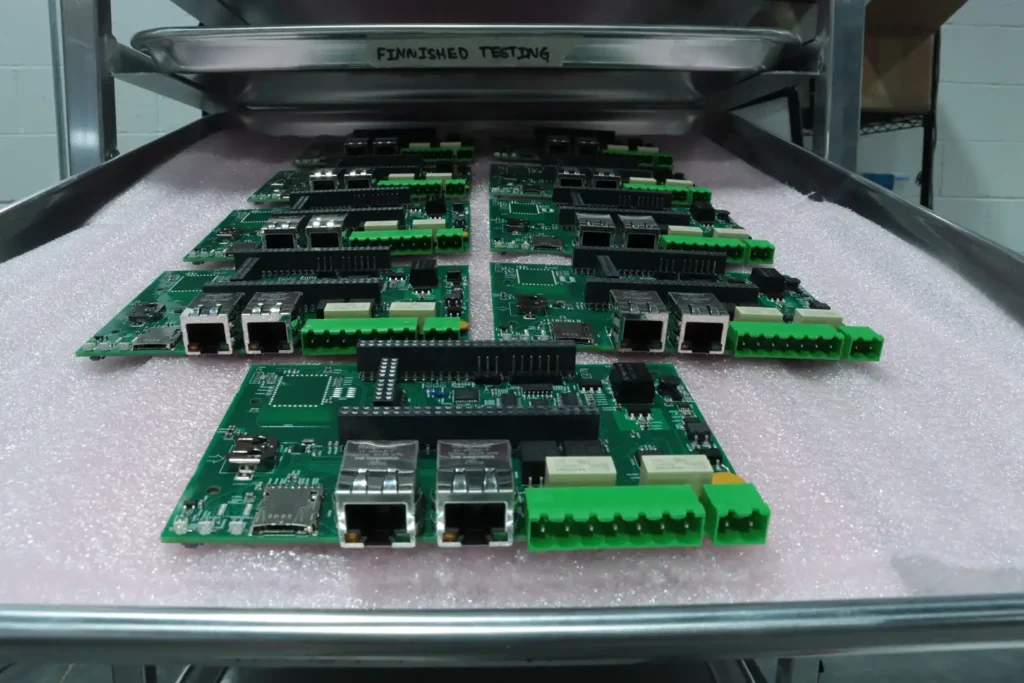
Embedded hardware isn’t just a component of a new product, it’s the catalyst that shapes every aspect of design. From the initial spark of an idea to the final product launch, embedded hardware influences every step of the NPD journey.
Shaping the Vision: Early Integration is Key
Don’t wait until the eleventh hour to consider embedded hardware. Embrace it from the outset, integrating its capabilities into your product’s design. By collaborating with hardware and software engineers early in the process, you ensure seamless integration and access the full potential of your creation.
Remember, embedded hardware should never be an afterthought. It’s the foundation upon which your product’s innovation, functionality, and user experience are built.
Prototyping and Testing: Bringing Ideas to Life
Embedded hardware allows you to transform concepts into tangible prototypes, bridging the gap between imagination and reality. Through iterative prototyping and testing cycles, you can refine your design, optimize performance, and validate your product’s capabilities.
This hands-on approach allows you to identify and address potential issues early in the development process, saving you valuable time and resources down the line. It’s about turning your vision into a working masterpiece, one iteration at a time.
Production and Deployment: From Concept to Market
Once your design is perfected, embedded hardware streamlines the transition from prototype to production. Building in-house manufacturing processes and meticulous supply chain management ensure a smooth and timely product launch.
But it doesn’t end there. Embedded hardware continues to play a vital role even after your product hits the market. Remote monitoring, over-the-air updates, and data collection capabilities allow you to continuously improve your product, adapt to evolving customer needs, and stay ahead of the competition.
Unlocking New Possibilities: Innovation at its Finest
Embedded hardware isn’t simply about improving existing products. Instead, it’s about creating entirely new categories of devices that redefine industries and captivate consumers. From smart home appliances that anticipate your needs to wearable devices that monitor your health and fitness, embedded hardware is the driving force behind innovation.
By using its capabilities, you can differentiate your products, enhance user experiences, and create a loyal customer base that eagerly awaits your next breakthrough.
A Holistic Approach to New Product Development

While embedded hardware is undoubtedly a driving force in new product development, it’s crucial to recognize that it’s just one piece of the puzzle. Successful products emerge from a holistic approach that considers every facet of design, from mechanical and electronic components to IoT connectivity and the demands of industrial product design.
Design for Manufacturing: Scaling for Success
The journey from concept to market involves countless decisions, and one of the most critical is designing your product with manufacturing in mind. Product design for manufacturing principles ensure your product is not only innovative but also optimized for efficient and cost-effective production at the desired scale.
Understanding your target production volume is key. For lower volumes, custom tooling might not be feasible, while high-volume production might require dedicated automation to remain competitive.
By considering factors like material selection, assembly processes, tooling requirements, and potential automation needs early in the design phase, you can:
- Avoid Costly Redesigns: Prevent expensive and time-consuming modifications later in the development process.
- Minimize Production Delays: Ensure a smooth transition from prototype to full-scale production.
- Optimize Production Costs: Achieve cost-effective manufacturing at your desired scale.
- Enhance Product Quality: Improve product consistency and reliability through optimized manufacturing processes.
Collaborating with a partner like DEVELOP who are experienced in both product design and manufacturing can be invaluable in tackling these complexities. We can guide you through the entire process, from design optimization to manufacturing strategy, and even assist in vertically integrating manufacturing capabilities within your facilities. This comprehensive approach ensures your product is designed for success at every stage, from concept to market launch and beyond.
Industrial Strength: Designing for Demanding Environments
Industrial products face unique challenges, from harsh operating conditions to stringent safety regulations. Industrial product design and industrial product development require a deep understanding of these demands, ensuring your products are robust, reliable, and built to last.
One crucial aspect of designing for industrial environments is considering the product’s Ingress Protection (IP) rating. An IP rating classifies the degree of protection an enclosure provides against the intrusion of solid objects (like dust) and liquids (like water).
Choosing the appropriate IP rating is vital to ensure your product can withstand the specific environmental conditions it will encounter. For example, a product used in a dusty factory setting might require a higher dust protection rating, while one exposed to outdoor elements needs adequate water resistance.
By carefully considering IP ratings during the design phase, you can:
- Protect internal components: Safeguard sensitive electronics and other critical parts from damage.
- Enhance product reliability: Ensure consistent performance even in challenging environments.
- Comply with safety regulations: Meet industry-specific standards and avoid potential liabilities.
- Extend product lifespan: Increase the longevity and durability of your product.
Incorporating IP ratings into your industrial product design demonstrates a commitment to quality and reliability, giving your customers confidence in your products’ ability to perform under demanding conditions.
The Connected World: IoT Product Development
The Internet of Things (IoT) is transforming industries, connecting devices and enabling unprecedented levels of data collection and analysis. IoT product development services cover a wide range of considerations, from secure connectivity and cloud integration to user experience and data privacy.
Electronics and Mechanics: The Backbone of Your Product
Electronic product development services and mechanical product development are essential pillars of any successful product. From PCB design and component selection to CAD modeling and material analysis, these disciplines ensure your product’s electronics and mechanical systems work in perfect harmony.
We know that tackling the complexities of embedded hardware design fundamentals can be daunting. That’s where DEVELOP steps in, armed with a wealth of experience and a passion for innovation. We’re not just engineers and designers. We’re your long-term partners in bringing your product visions to life.
From Concept to Reality: Your Embedded Hardware Partner
At DEVELOP, we specialize in transforming ideas into tangible products. Our expertise spans the entire spectrum of embedded hardware design, from custom circuit board development to firmware and software programming. We’re the architects of intelligent systems, meticulously crafting solutions that seamlessly integrate into your products and deliver exceptional performance.
Our key areas of expertise include:
- Custom Circuit Board Design and Development: Tailored circuit boards, designed to optimize functionality, shrink footprints, and amplify efficiency—setting your product apart in a crowded market.
- Microcontroller and Microprocessor Selection and Programming: The brains behind your embedded system, we handpicked yours with precision. We determine the best microcontrollers and microprocessors, balancing power, performance, and cost to find the perfect fit.
- Sensor and Actuator Integration: Seamlessly bridging the physical and digital, your product will sense, react, and interact with its surroundings, thanks to our expertise in integrating sensors and actuators.
- Communication Protocol Implementation: Whether it’s Ethernet, Wi-Fi, Bluetooth, or a specialized protocol, we ensure seamless communication with other devices and networks.
- Power Management and Optimization: Energy efficiency isn’t an afterthought—it’s a priority. We employ cutting-edge, high ROI techniques to maximize battery life and minimize environmental impact, ensuring your product is both powerful, sustainable, and profitable.
- Real-Time Operating System (RTOS) Development: When timing is critical, we deliver. Our RTOS expertise ensures your embedded system responds instantly and reliably, even under the most demanding conditions.
- Firmware and Software Development: We breathe life into your embedded hardware, writing code that unlocks its full potential and delivers exceptional user experiences.
- Testing and Validation: Rigorous scrutiny is our hallmark and we leave no stone unturned, ensuring your embedded system meets the highest standards of quality and reliability.
- Prototyping and Production: From concept to market, we support you through every stage of the new product development journey, turning your vision into a tangible reality.
- Enclosure Design: We ensure that protection meets aesthetics, designing enclosures that safeguard your embedded hardware while enhancing its visual appeal and usability.
Collaboration, Innovation, and Results
At DEVELOP, we believe in the power of collaboration. We work closely with you, listening to your needs, understanding your challenges, and tailoring our solutions to your unique requirements. We’re an extension of your team, dedicated to your success.
We thrive on innovation, constantly pushing the boundaries of what’s possible with embedded hardware. We embrace emerging technologies, explore new design methodologies, and challenge conventional thinking to create products that disrupt industries and deliver a return on your investment.
But above all, we’re committed to delivering results. We measure our success by your satisfaction, and we go the extra mile to ensure your product exceeds expectations. We’re building lasting partnerships, not just building embedded hardware.
Unlocking the Future of Manufacturing: Embedded Hardware is Your Key
For manufacturers, the message should be clear. Embedded hardware isn’t just a nice-to-have technology. It’s the catalyst that propels your products into the future. From revolutionizing automation design to breathing life into new product design and development, embedded hardware is the driving force behind innovation.
Imagine a world where your products seamlessly integrate sensors, actuators, and communication protocols, creating a perfect balance of intelligent functionality. Picture a future where your manufacturing processes are optimized, streamlined, and driven by the power of embedded systems. This isn’t a distant dream. It’s a reality within your reach.
Are you ready to unlock the full potential of embedded hardware and transform your manufacturing capabilities?
Take the first step today with our Free Automation Assessment Questionnaire. Tailored specifically for manufacturers, this concise survey will quickly assess your unique needs and challenges. It’s the gateway to personalized automation solutions that will revolutionize your operations.
Through our comprehensive automation services, you’ll start on a journey of discovery, exploring various strategies and pinpointing the ideal automation targets for your business. And you won’t be alone on this journey. Our dedicated experts will provide guidance and support every step of the way, ensuring your success.
Don’t let the complexities of embedded hardware design hold you back. Embrace the power of innovation, efficiency, and connectivity. Take our free assessment today and begin a transformative journey towards a smarter, more agile, and more profitable future.
Take the first step towards a more efficient and profitable future by taking our free Automation Assessment Questionnaire.